vol. 01
Cookbook for Orphans.
Recipes, regional philosophies, chef profiles.
in circulation
Hosted by Ryan Chun. Eight kitchens, six fusion arcs, and a growing library of primary interviews — beginning with Korean Buddhist temple monks in the foothills of Mt. Jogyesan.
drag to rotate · pinch to zoom · click a hearth to read it
The cuisine that begins before the seed
Other people draw maps of where food came from. This atlas draws the map of where it is still being argued about.
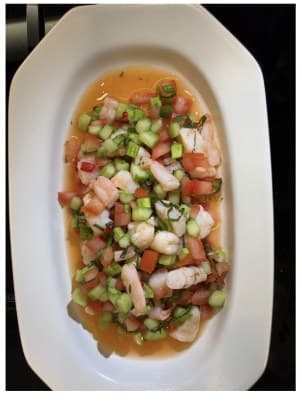
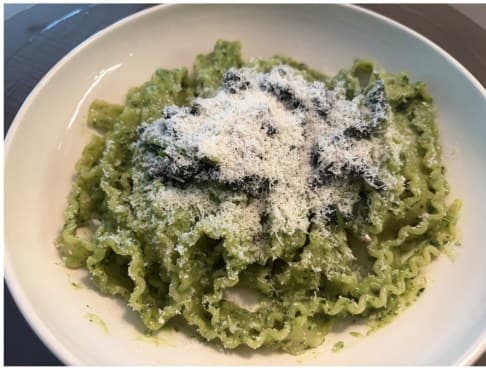
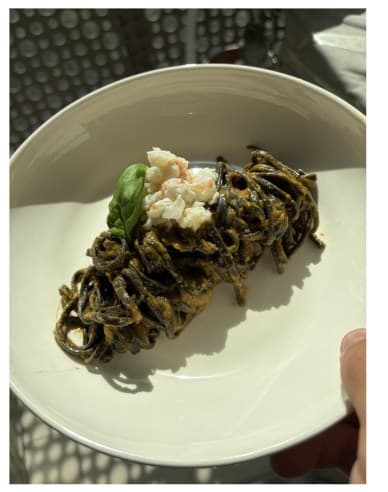
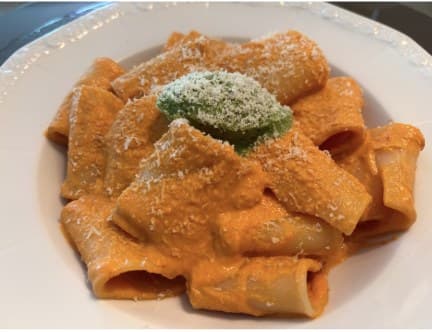
Six fusion recipes built from primary research. Hosted intros at every hearth. On-camera cooking demonstrations filmed across the year.
Ethnographic interviews — beginning with two senior monks at Songgwangsa, expanding through senior year to Lebanese grandmothers, Italian restaurateurs, Korean halmoni.
AI coach personas trained on the corpus of each tradition. The Temple Master answers in dharma cadence; La Nonna will ask which village you mean before naming the pasta.
Korean Buddhist temple cuisine — saseolsik or balwoogongyang in its monastic form — is the oldest continuously practiced vegetarian tradition on the peninsula. It refuses the five pungent roots (garlic, onion, leek, scallion, chive), e…
Speaks in the cadence of a dharma talk — long pauses, concrete images, refuses to romanticize. Will correct your vocabulary before answering your recipe question.
Three-year doenjang has more glutamate per gram than Parmigiano. Substituted at 1:4 with the cheese, it deepens the umami floor without distortin…
Mole negro and gochujang share a structural logic — fermented chile, sweetened by dried fruit (chocolate vs. jocheong rice syrup), thickened by s…
Beurre blanc reduced over kombu dashi instead of fish stock. The amino acid stack of kombu mirrors what reduction normally generates over the cou…
Nikkei tradition treats the Andean tuber the way Edo Tokyo treated fluke — sliced thin, dressed in citrus and aji amarillo. The fusion isn't new;…
Marseille's bouillabaisse may descend from a Phoenician fish stew that traveled with the founding of Massalia. Restoring the original saffron-tah…
Rasam and capon brodo are both clear, aromatic, restorative. Floating tortellini in a tamarind-tempered rasam doesn't fuse the cuisines — it reve…
The Atlas records what other kitchens decided. The menu is what Ryan cooked — his own recipes, his own directions, shot as he went.
Ryan is the host of CulinaryCode — the cook who introduces each hearth, develops the fusion arcs in his own kitchen, conducts every interview, and writes every margin note. The atlas is his ongoing body of work; the site is its current edition.
In late June 2026 he travels to Songgwangsa to spend a week with the temple kitchen and conduct the first two primary interviews. The Korean hearth opens with their voices.
Recipes, regional philosophies, chef profiles.
Six original recipes with process documentation.
From the Songgwangsa interviews.
Geotagged dispatches from the field, surfacing at the matching hearth on the atlas.
Interview excerpts, recipe drafts before they are finished, and the occasional argument about what counts as authentic. No more than once a month.
no tracking · unsubscribe in one click