vol. 012026 edition8 hearths · 6 fusion arcs · 8 recipesfield journal · korean temple staysryan chun, hostest. 2026published from seoul · new yorkatlas pressvol. 012026 edition8 hearths · 6 fusion arcs · 8 recipesfield journal · korean temple staysryan chun, hostest. 2026published from seoul · new yorkatlas pressvol. 012026 edition8 hearths · 6 fusion arcs · 8 recipesfield journal · korean temple staysryan chun, hostest. 2026published from seoul · new yorkatlas press
back to the hearthstheme · washi & indigo
N°05 · in the fieldall four — the kyoto year is the menu

Japanese.

The meal that reads the season aloud

Kyoto & the Kaiseki traditionjapan
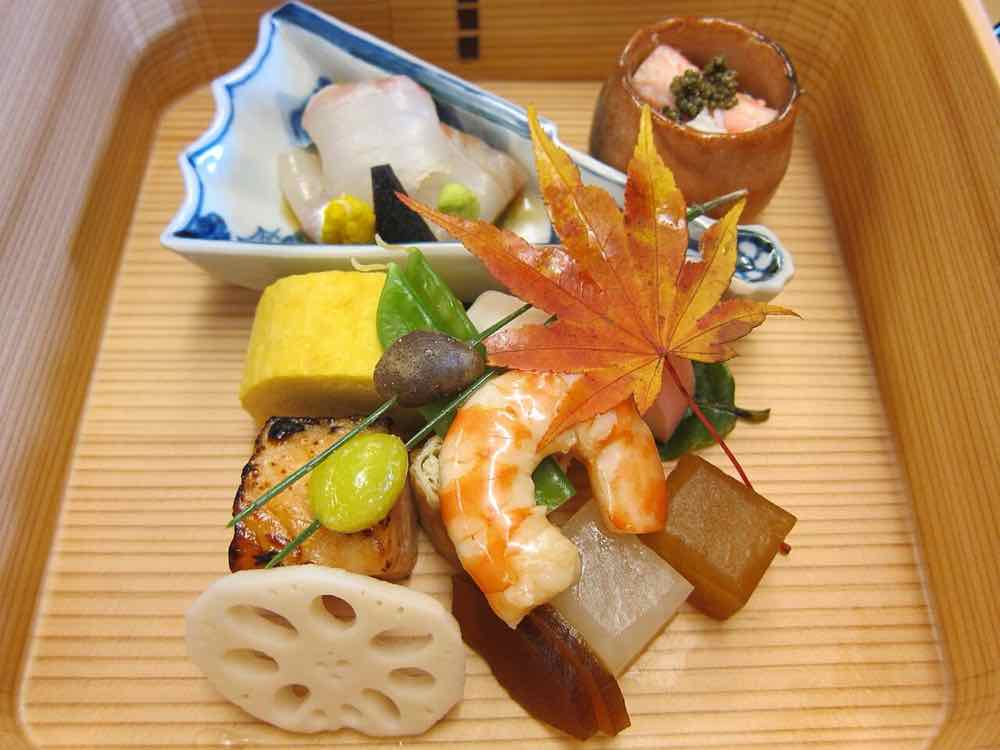
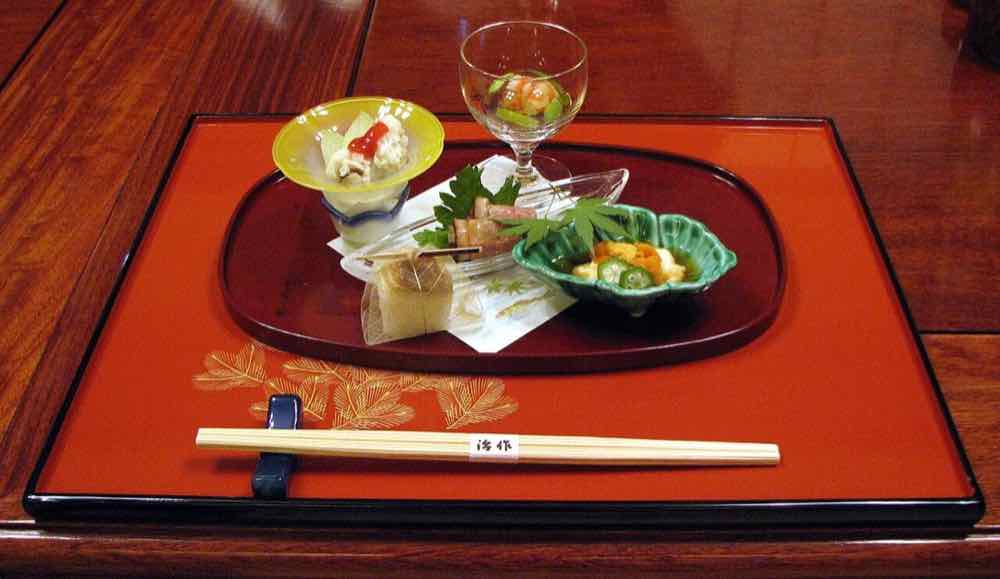
An autumn kaiseki course, maple leaf and lotus root.
Hassunundyed washi paper
一期一会

“One time, one meeting.”

— Tea-ceremony maxim — every gathering happens once and never again
folio n°01 · the hearth

Undyed washi paper, sumi ink, aizome indigo, and the vermilion of a shrine gate in autumn.

Kyoto was Japan’s capital for over a thousand years, from 794 to 1868: a landlocked city of court, temples and tea. With no coast it learned to preserve fish, to make tofu and yuba from its soft water, and to grow its own vegetables. Kaiseki — the multi-course meal of the season — is written two ways: 懐石, the warm stone Zen monks held against hunger, for the light meal before tea; and 会席, the banquet. Kyoto cooking lives between the two.

A lacquer tray set for the opening course.
Kaiseki tray. A lacquer tray set for the opening course.
folio n°02 · anthropological roots

Where it comes from.

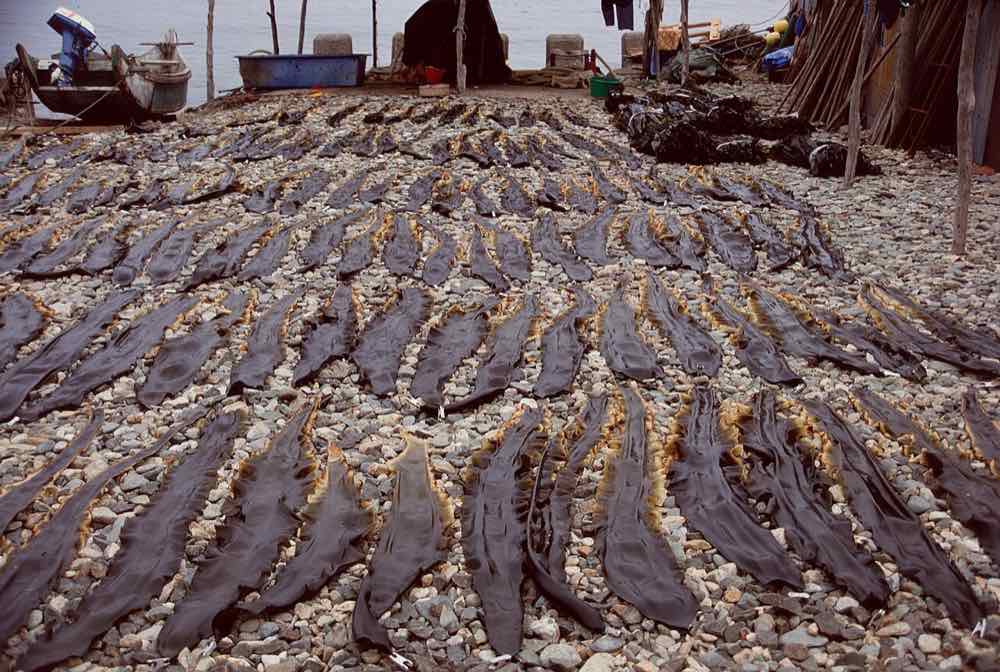
Kombu
Kombu
i

A twelve-century meat taboo

In 675 Emperor Tenmu banned eating cattle, horses, dogs, monkeys and chickens during the farming months. Buddhist and Shinto ideas of purity extended the avoidance for centuries, so Japanese cooking grew around rice, fish, soy and vegetables. It ended publicly only in 1872, when the Meiji emperor ate beef.
ii

The cook’s practice

Zen brought shōjin ryōri, the vegetarian temple cooking also behind Korea’s temple food. In 1237 the monk Dōgen wrote Instructions for the Cook, treating the washing of rice as seriously as meditation — the same idea Ryan met in Korean temples.

iii

The tea room and the season

Sen no Rikyū shaped the tea ceremony in the sixteenth century, and with it the meal before tea: one soup, three dishes, nothing to spare. Kyoto’s calendar gave a vocabulary for time in food — hashiri, the first of a season; shun, its peak; nagori, its lingering farewell.

folio n°03 · how it evolved

A history, in 6 turns.

  1. 675

    Tenmu’s decree

    Restrictions on meat begin a long era of rice, fish and vegetable cooking.

  2. 794

    Heian-kyō

    The capital is founded at Kyoto. Court ritual and banquets set the tone of formal dining for a millennium.

  3. 1237

    Dōgen’s instructions

    Tenzo Kyōkun makes the kitchen a place of practice.

    Dōgen’s instructions
  4. 1500s

    Rikyū and the tea meal

    Cha-kaiseki takes shape: seasonal, restrained, served in a deliberate order.

    Rikyū and the tea meal
  5. 1872 – 1930s

    Meat, and the vessel

    The Meiji emperor eats beef in 1872. In the 1920s and 30s the Kyoto-born artist Kitaōji Rosanjin argues that the vessel is the kimono of the food.

    Meat, and the vessel
  6. 2013

    Washoku as heritage

    UNESCO inscribes washoku, Japanese dietary culture — partly because everyday home cooking was fading.

    Washoku as heritage
folio n°04 · philosophy

Kyoto cooking is a technology of attention. It cooks the season rather than the ingredient, and it asks the diner to notice — the leaf on the tray, the bowl’s glaze, the moment that will not come again.

01 · of 4

Hashiri, shun, nagori

First taste, peak and farewell. A good menu shows all three at once.

02 · of 4

Five colours, five tastes, five methods

An inheritance from shōjin cooking: balance across colour, flavour and technique rather than within a single dish.

03 · of 4

The vessel is half the dish

Plates change with the season. Presentation is not decoration; it is meaning.

04 · of 4

Dashi from kombu

Kyoto’s soft water draws out kelp brought from Hokkaidō on the old northern shipping routes — the quiet base of everything.

folio n°05 · the main dishes

The plates, and how they changed.

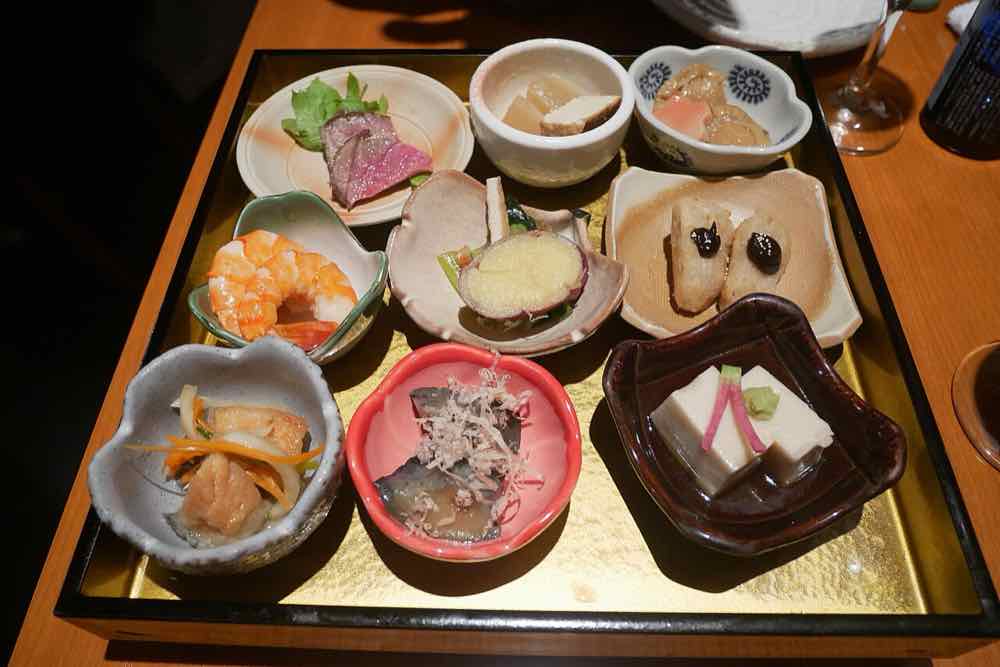
HassunD·01

Hassun

八寸

The seasonal tray course: small things from the mountains and the sea on a square of cedar.

roots

Named for its tray, eight sun across — about 24 centimetres — in the tea meal.

how it changed

Now the most photographed moment of a kaiseki dinner, the place where chefs show the season at its most pictorial.

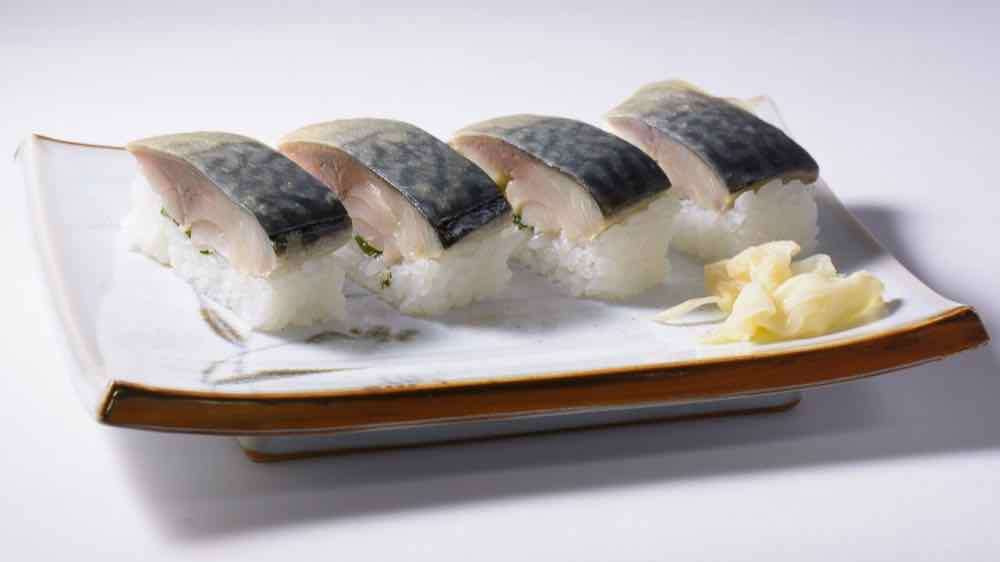
Saba-zushiD·02

Saba-zushi

鯖寿司

Salt-cured mackerel pressed onto vinegared rice and wrapped in kelp.

roots

Mackerel salted on the Wakasa coast was carried overland to Kyoto along the road still called the Saba Kaidō.

how it changed

Festival food that became a premium gift — preservation turned into a luxury.

YudōfuD·03

Yudōfu

湯豆腐

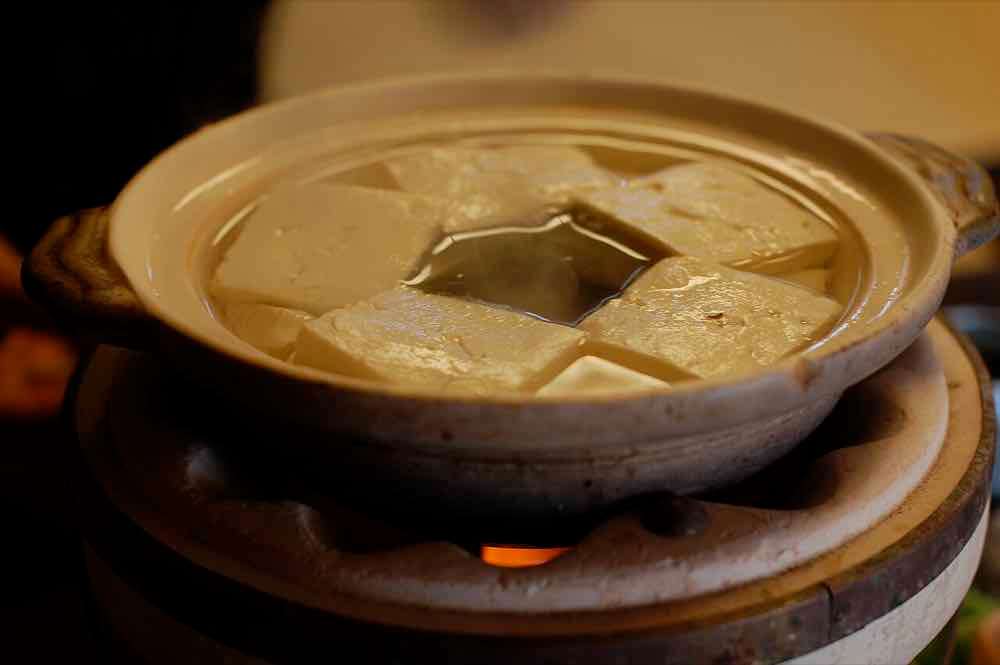
Tofu warmed in kelp broth and eaten with soy and condiments.

roots

Temple cooking around Nanzen-ji, made possible by Kyoto’s soft water.

how it changed

Now a set menu for visitors to the temple district — monastic plainness sold as an experience.

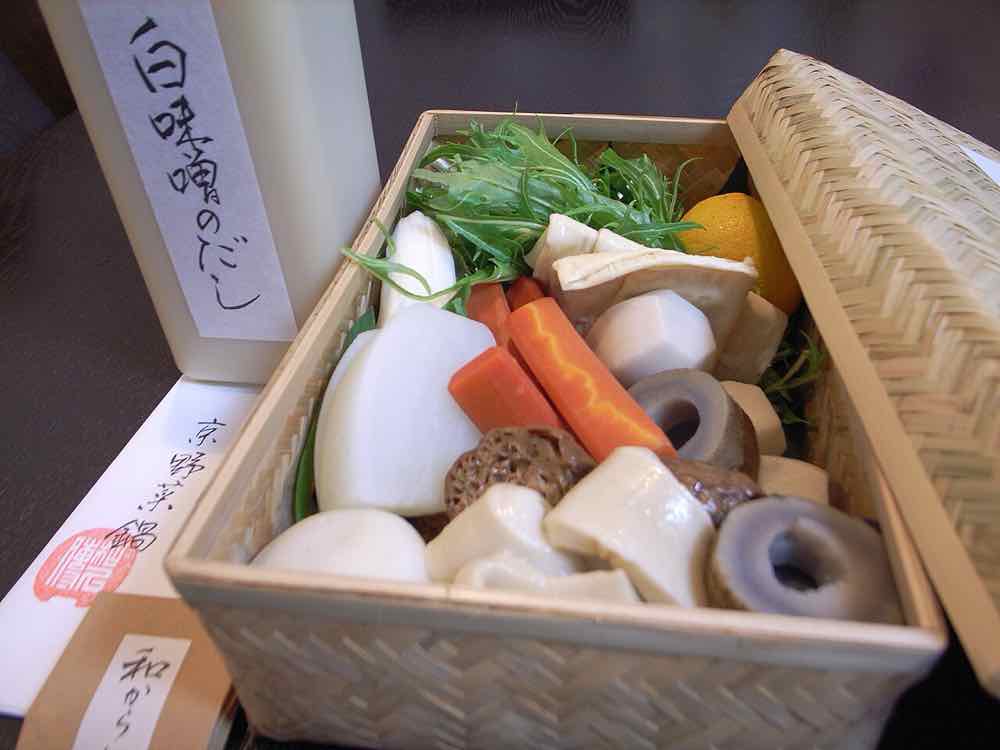
ObanzaiD·04

Obanzai

おばんざい

Kyoto’s everyday side dishes: simmered vegetables, tofu, dried fish.

roots

Thrifty home cooking built on seasonal produce and leftovers.

how it changed

The word spread in print in the twentieth century, and home cooking became a restaurant genre.

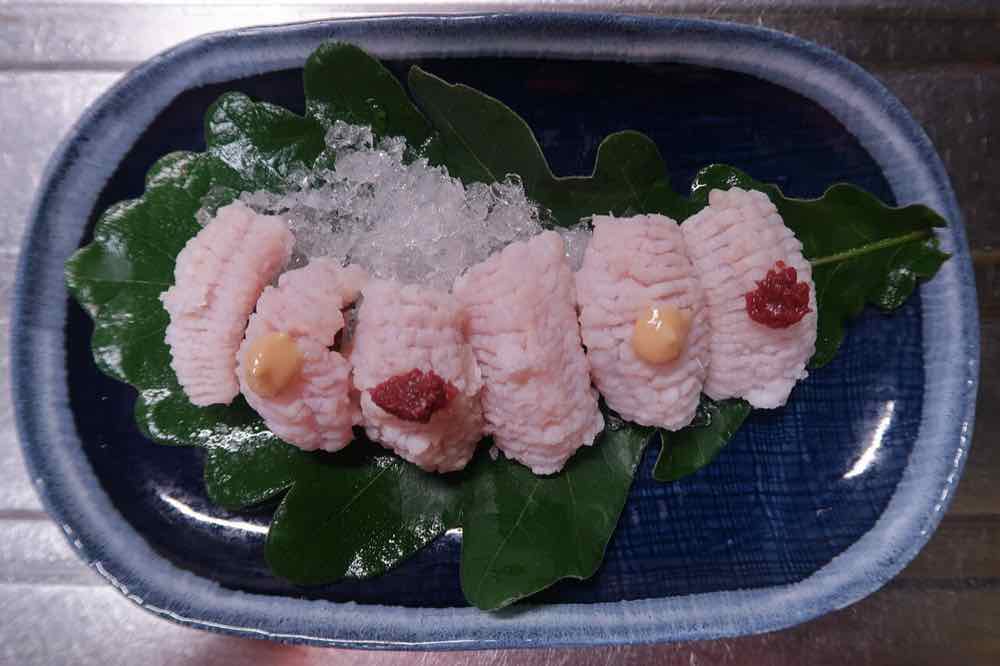
HamoD·05

Hamo

鱧

Pike conger, scored through its many bones and blanched until it opens like a flower.

roots

Hamo survives a long time out of water, so it could reach landlocked Kyoto alive. It is the fish of the Gion Matsuri in July.

how it changed

The bone-cutting technique, honekiri, is now a showpiece of skill.

folio n°06 · the larder

Ingredients, and their histories.

Kombu

Kombu

昆布

The kelp at the base of Kyoto dashi.

Shipped from Hokkaidō via the Sea of Japan trade routes — the “kombu road”.

Kyō-yasai

Kyō-yasai

京野菜

Kyoto’s heirloom vegetables: kamo eggplant, Shōgoin turnip, Kujō green onion.

Bred over centuries for the city’s temples and court; now a protected local brand.

Yuba

Yuba

湯葉

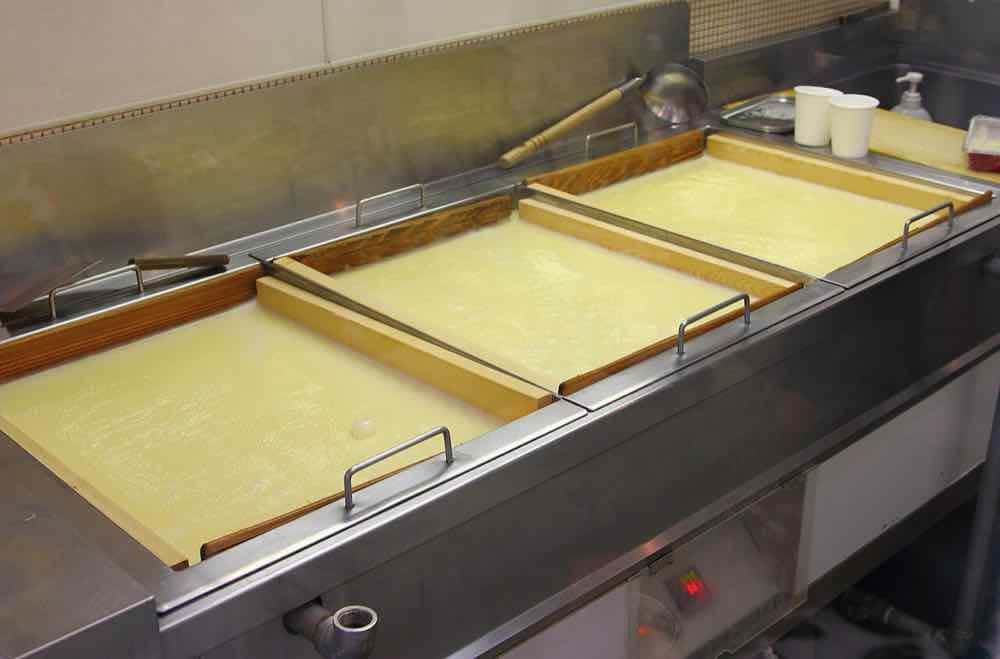
The skin lifted from heated soy milk.

A temple protein, made in Kyoto for centuries.

西京味噌

Saikyō miso

Sweet white miso, used for marinades and New Year soup.

Its name means “western capital” — Kyoto itself.

Matcha

Matcha

抹茶

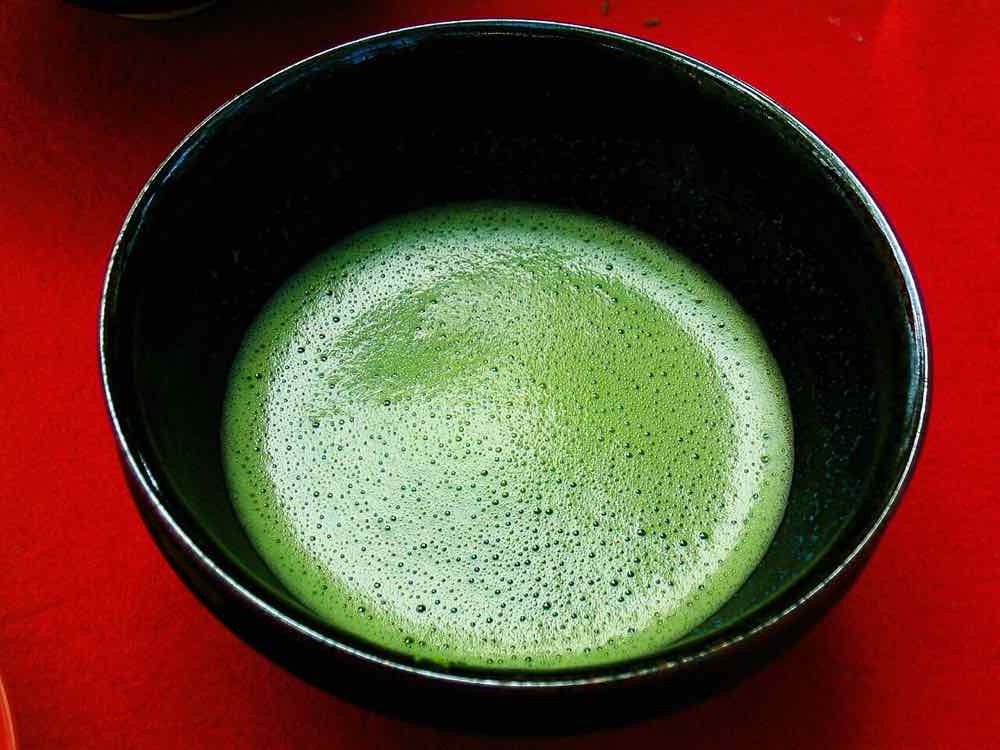
Powdered green tea, whisked in the tea ceremony.

Grown in nearby Uji; the drink the whole kaiseki meal leads towards.

folio n°07 · what it means

Kaiseki’s attention is also a filter. Many Kyoto restaurants still turn away first-time guests without an introduction. The culture of the season belongs to those who can afford to follow it.

Climate change now unsettles the calendar itself — matsutake harvests have collapsed and seasons drift. A cuisine built on the exact timing of nature becomes a record of how nature is changing.

interviews in progress

This hearth is still in the field.

Kaiseki ryori is the formal multi-course meal that descends from the tea ceremony — a structured argument for seasonality so strict that menus rotate every two weeks. Opens January 2027.

folio n°08 · related fusions

Bridges from this hearth.

Kombu-Beurre Blanc

Beurre blanc reduced over kombu dashi instead of fish stock. The amino acid stack of kombu mirrors what reduction normally generates over the course of an hour — the dish arrives in twenty minutes with the same depth.

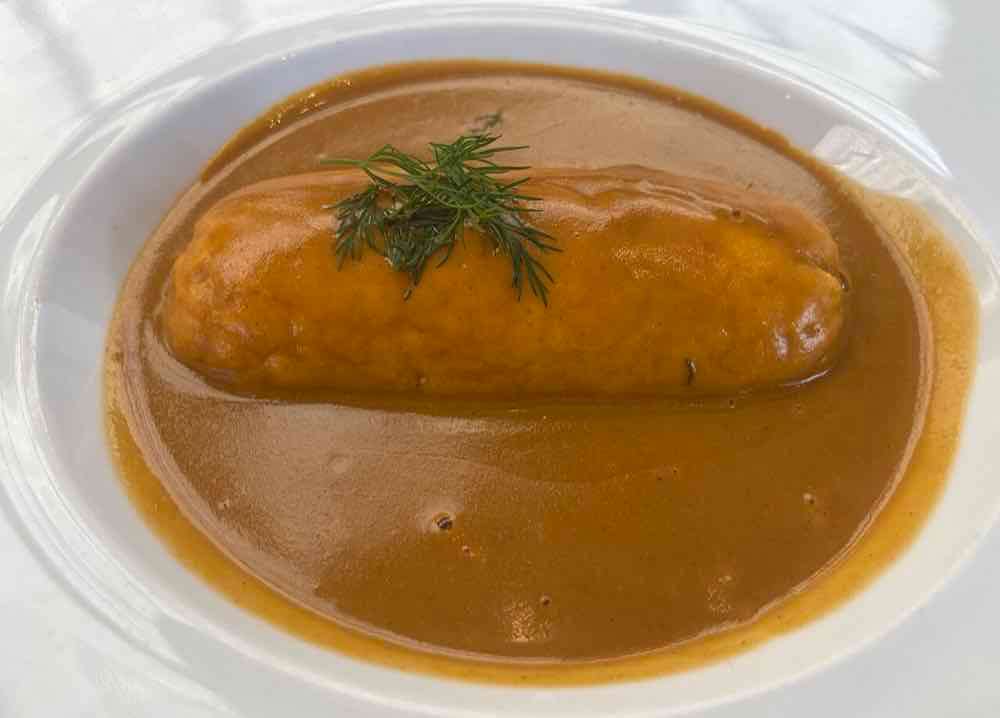
Pike quenelle under crayfish sauce, the bouchon standard.

Tiradito of Yellow Potato

Nikkei tradition treats the Andean tuber the way Edo Tokyo treated fluke — sliced thin, dressed in citrus and aji amarillo. The fusion isn't new; it is the oldest documented arc on the Atlas.

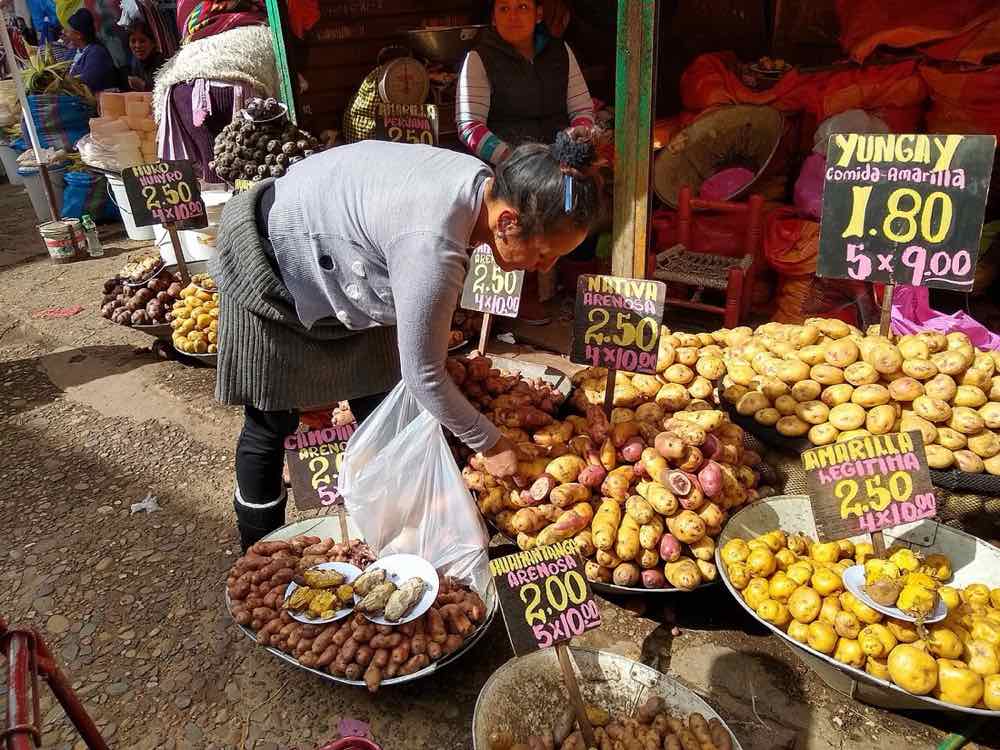
A market stall of Andean potato varieties.