vol. 012026 edition8 hearths · 6 fusion arcs · 8 recipesfield journal · korean temple staysryan chun, hostest. 2026published from seoul · new yorkatlas pressvol. 012026 edition8 hearths · 6 fusion arcs · 8 recipesfield journal · korean temple staysryan chun, hostest. 2026published from seoul · new yorkatlas pressvol. 012026 edition8 hearths · 6 fusion arcs · 8 recipesfield journal · korean temple staysryan chun, hostest. 2026published from seoul · new yorkatlas press
back to the table
the field journal · 2025 – 2026

What I wrote down.

Notes from temple stays, seminars and the tables that raised me — kept close to how I wrote them, so the voice of each monk and cook stays intact.

— Ryan Chun

part one · 3 entries

Temple stays.

Nights in the monasteries, eating what the monks eat, writing it down afterwards.

—undated
temple stay · jangseong, south jeolla

Baekyangsa백양사

with Jeong Kwan sunim(정관스님)
“She never measures a recipe. The hand decides.”
  1. 01

    The importance of natural Korean ingredients.

  2. 02

    The importance of the quality of water.

  3. 03

    She never measures recipes accurately.

  4. 04

    The importance of son-mat (손맛) — the flavour released by the touch of the cook.

  5. 05

    Strong elements of spice and salinity, because this is the south-west of Korea.

plates noted
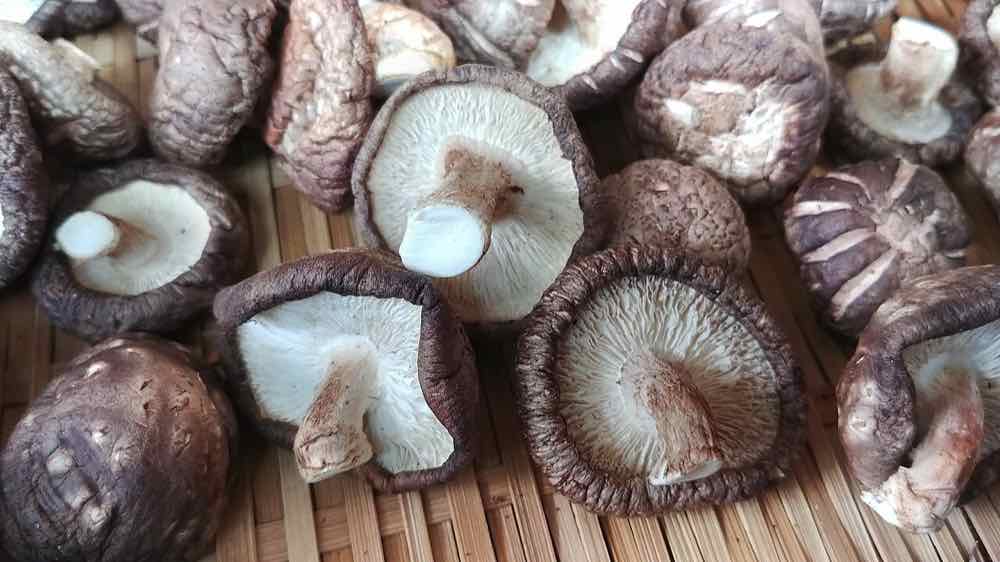
Soy-braised shiitake mushroomsCucumber and cilantro salad with ginger dressing
filed under the korean buddhist temple hearth
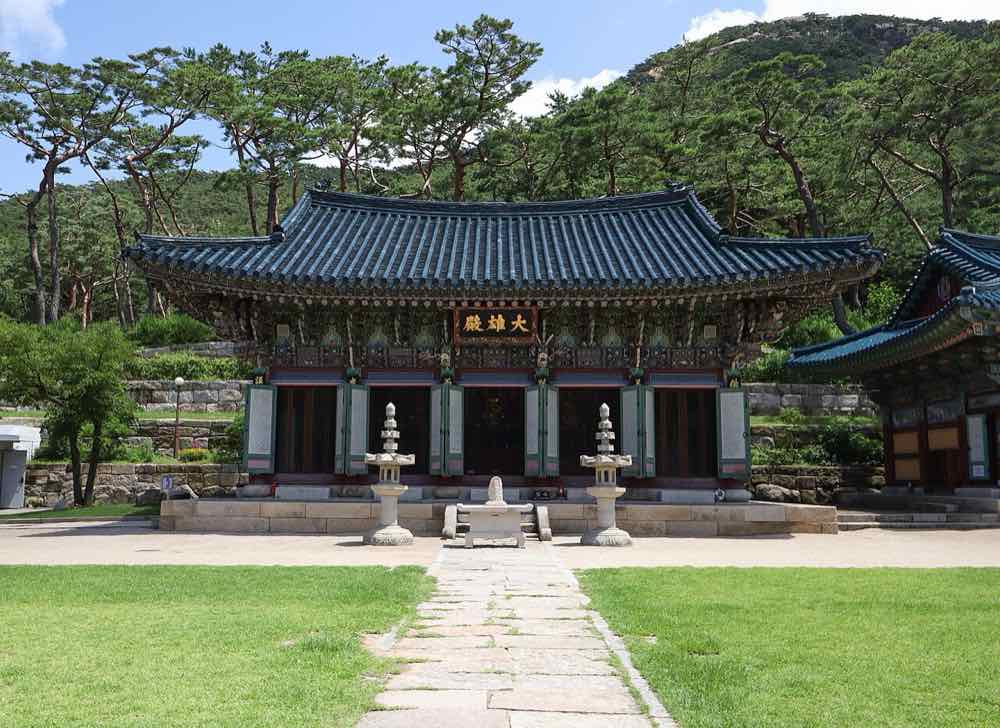
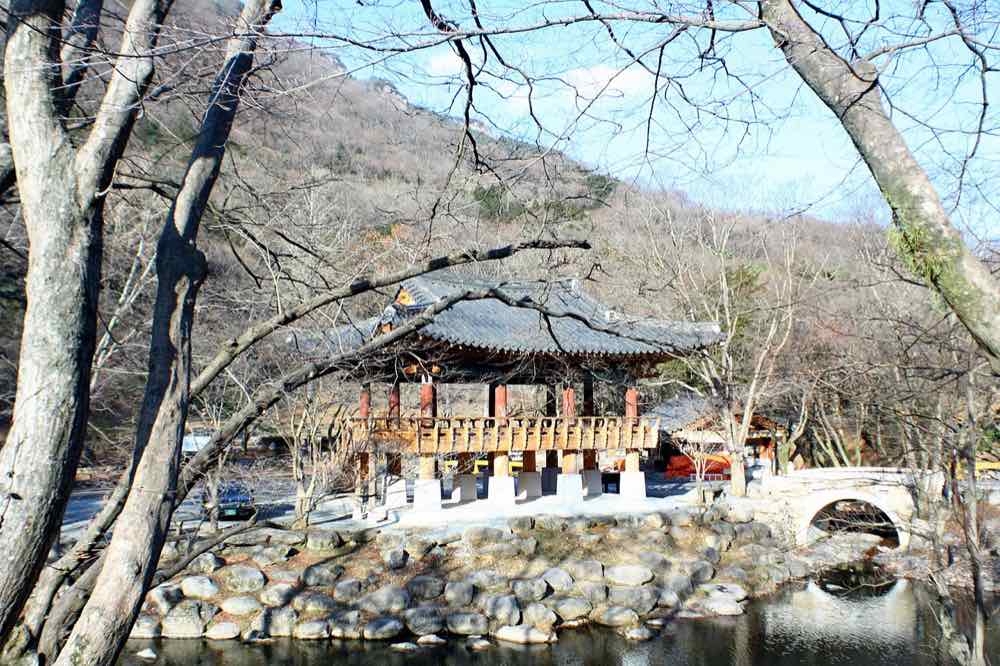
Baekyangsa temple
Baekyangsa temple
Shiitake mushrooms
Shiitake mushrooms
—undated
temple stay · korea

Ijesa이제사

“Fusion can’t be forced. It must harmonise naturally.”
  1. 01

    The importance of a tight-knit community.

  2. 02

    The importance of adapting to the trends and needs of the modern population.

  3. 03

    The importance of the nature that surrounds us.

  4. 04

    Family-style meals curated by a monk licensed in traditional Korean cuisine.

  5. 05

    A four-ingredient gochujang passed down from a king’s recipe of the Joseon dynasty: fermented soybean flour, Korean chilli powder, salt and Korean rice syrup.

  6. 06

    The only temple we visited that adapted its table to serve meat.

  7. 07

    The importance of eating and breathing correctly.

plates noted
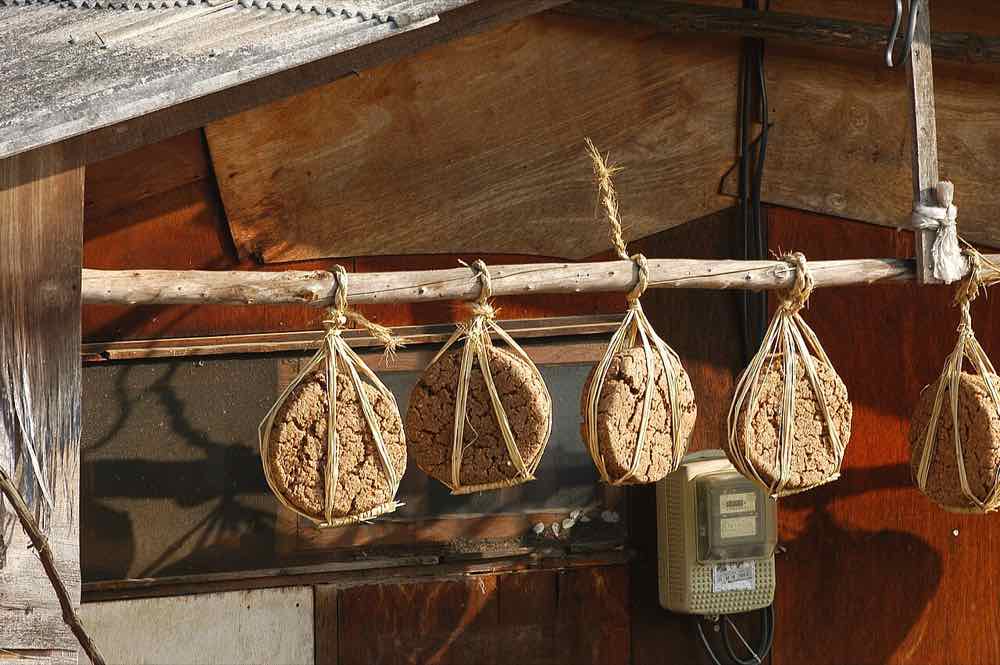
Korean thistle namulAged ssamjang paste
filed under the korean buddhist temple hearth
Jang — fermented soybean pastes
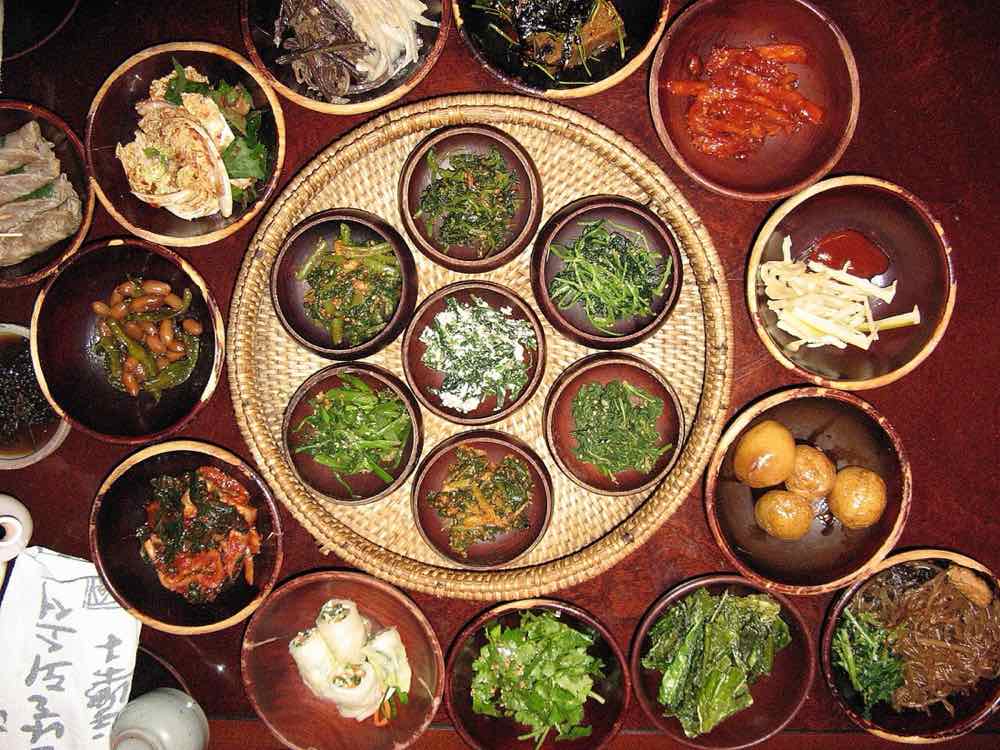
Seasoned mountain greens
—undated
temple stay · bukhansan, seoul

Jingwansa진관사

with Gyeho sunim(게호스님)
“Simplicity over luxury. Get rid of greed, and the waste goes with it.”
  1. 01

    A cultural landmark in Korean history.

  2. 02

    Analyse and appreciate every ingredient as you eat.

  3. 03

    Acknowledge the sacrifices of others that put these dishes in front of us.

  4. 04

    Acknowledge where each ingredient comes from.

  5. 05

    Acknowledge the patterns of nature, and the patterns of ingredients, to bring flavour to its fullest.

  6. 06

    Simplicity over luxury.

  7. 07

    Minimise waste; get rid of greed.

plates noted
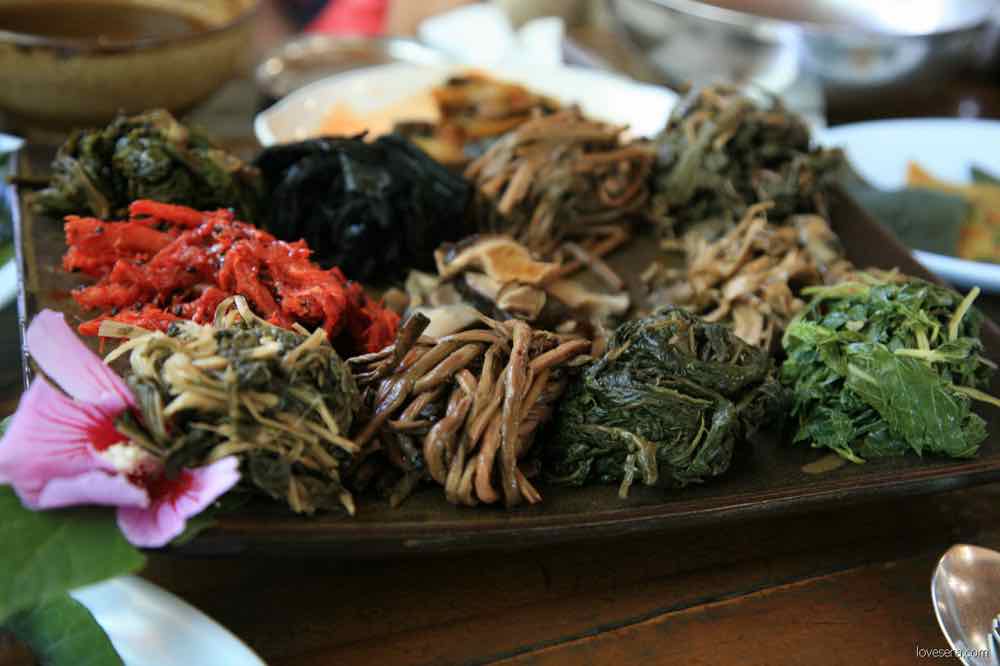
Perilla leaf salad in Korean pear dressingAged sour kimchi
filed under the korean buddhist temple hearth
Jingwansa temple
Jingwansa temple
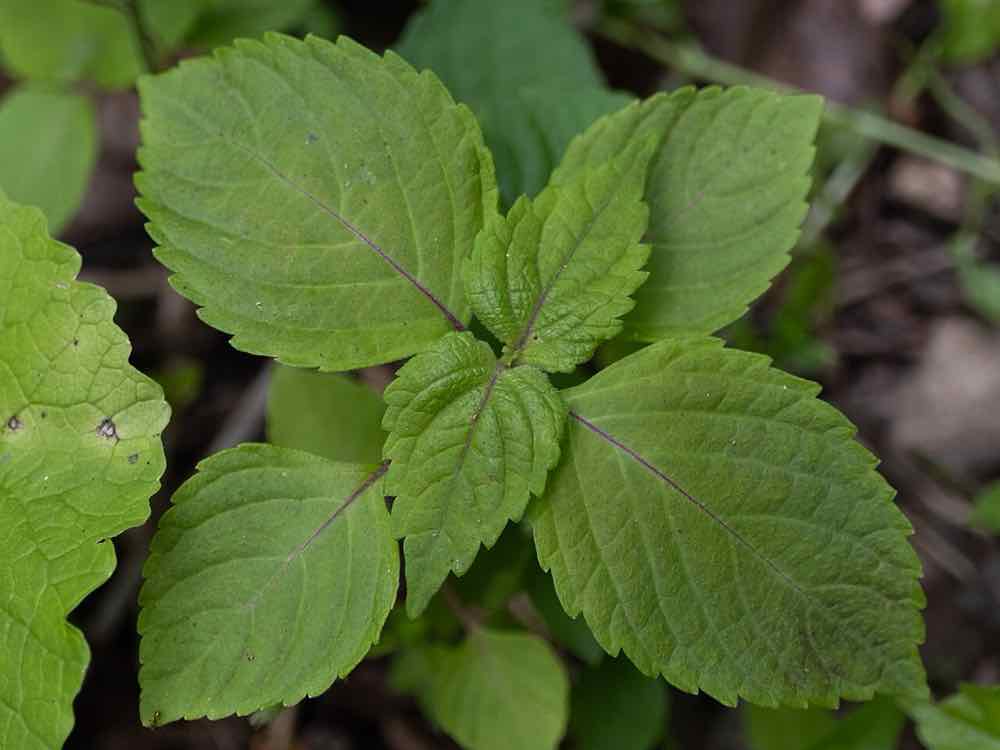
Perilla leaves
Perilla leaves
part two · 2 entries

Temple food seminars.

Lessons in the doctrine behind the dishes — what is banned, what is kept, and why.

9Aug 2025
seminar · introduction to korean temple food

Temple food seminar

“A breakthrough against everything I knew — knowledge built on flashy technique and an abundance of ingredients.”
  1. 01

    An introduction to Korean temple food.

  2. 02

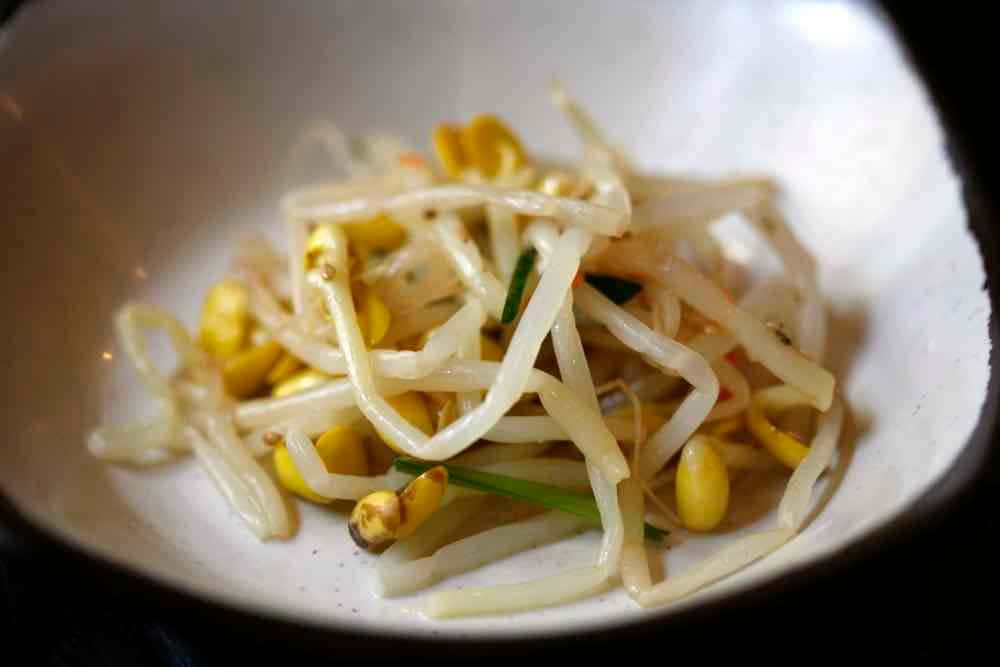
    Bean sprout namul made with four ingredients.

  3. 03

    The five ingredients banned in Korean temple food: dallae (달래), asafoetida (흥거), chives (부추), garlic (마늘) and green onion (파).

  4. 04

    Meals highlight the natural flavour of ingredients instead of relying on heavy seasoning.

  5. 05

    Food is not only nourishment but a path to mindfulness, gratitude, sustainability and spiritual growth.

plates noted
Four-ingredient bean sprout namul
filed under the korean buddhist temple hearth
Bean sprout namul
Bean sprout namul
A temple-style table of namul
14Jun 2026
seminar · food as healing

Temple food seminar

“Fusion isn’t what monks do. It isn’t their job — it’s mine.”
  1. 01

    The purpose of food isn’t just taste and sustenance, but healing.

  2. 02

    In the old days, cooks were considered doctors.

  3. 03

    Temple food teaches practices for life: not overeating, not wasting.

  4. 04

    Local ingredients are preferred, to reduce waste and honour the surrounding environment.

  5. 05

    Monks focus on carrying the tradition; integrating cuisines is the work of modern chefs who respect temple food.

  6. 06

    Fermented foods — doenjang, ganjang, gochujang — are central to temple cuisine.

  7. 07

    Sunjae sunim told the story of her ganjang curing health problems that seemed impossible to cure.

plates noted
Carrot noodles seasoned with a single ingredient: ganjang
filed under the korean buddhist temple hearth
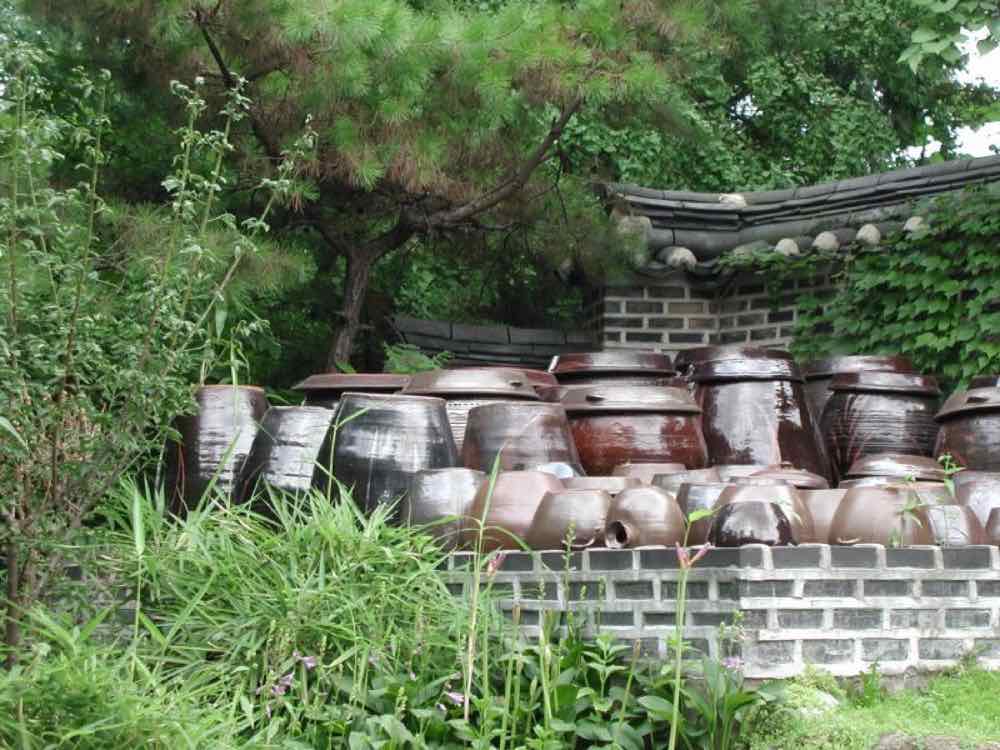
Jang in onggi jars
Jang in onggi jars
Onggi jars on a jang terrace
part three · 3 entries

Kitchens that taught me.

Restaurants, a childhood barbecue, a tasting menu: the secular tables in conversation with the temple ones.

—undated
visit · jeju island

Namgyeong Mirak남경미락

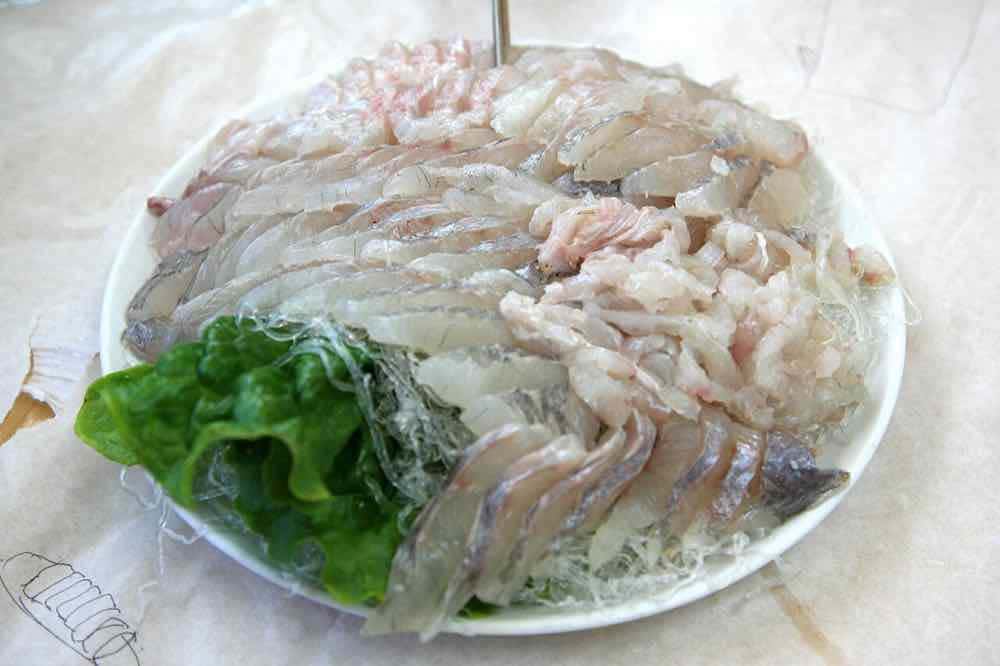
“Freshness over ageing — the fish is butchered alive thirty minutes before it is served.”
  1. 01

    A prominent Korean sashimi restaurant, known for serving presidents for generations.

  2. 02

    Three-Michelin-star chef Ahn Sung-jae came here to learn its techniques and ingredients.

  3. 03

    Sashimi is usually served after curing and ageing; many traditional Korean restaurants focus instead on freshness, butchering live fish thirty minutes before serving.

  4. 04

    The owner is a family friend and let me tour his home and his many freezer units. Next to his house is a twelve-acre farm where he grows nine kinds of vegetables for the side dishes.

  5. 05

    Eighteen side dishes, all from natural, homemade or fermented ingredients — seven of them kimchi.

  6. 06

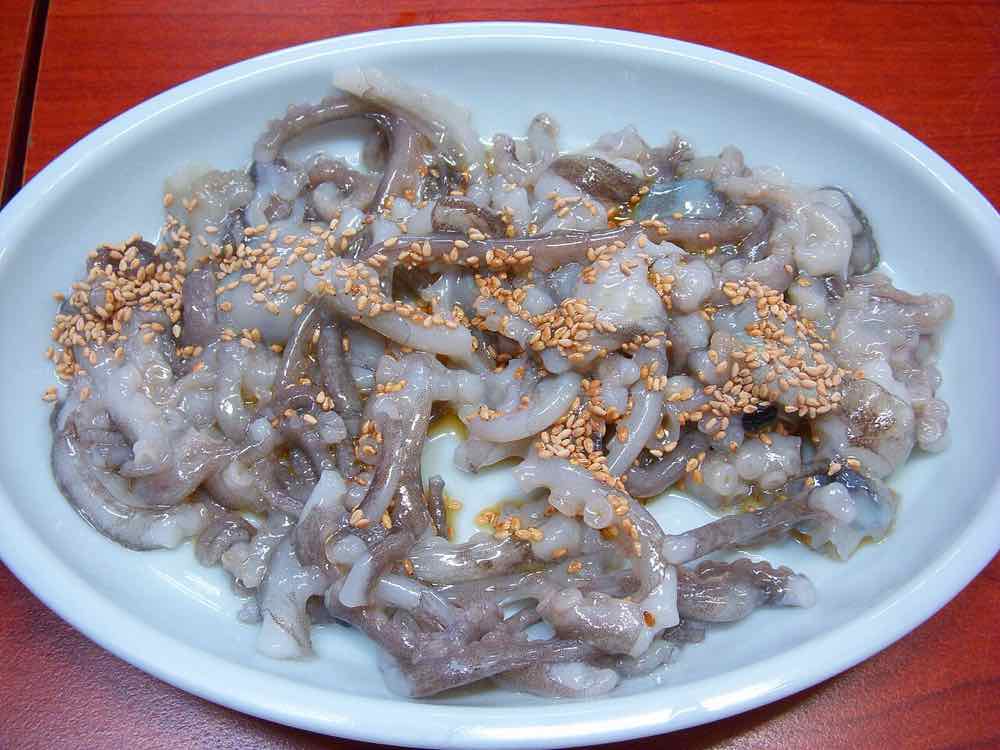
    He travelled the world for ten years studying how to cook octopus: the most tender yet chewy and flavourful octopus sashimi I have ever had.

  7. 07

    Over many decades his family turned this town on Jeju from farmland into a food capital.

plates noted
Live-butchered sashimiOctopus sashimiEighteen banchan, seven of them kimchi
Korean sashimi platter
Octopus sashimi
Octopus sashimi
—undated
visit · jeju island

Aldongne알동네

“Scrap meat, a cup of anchovy sauce boiling on the grill, and seven years of Saturdays.”
  1. 01

    My childhood Jeju black pork barbecue restaurant. I came every week for seven years and became close with the owner.

  2. 02

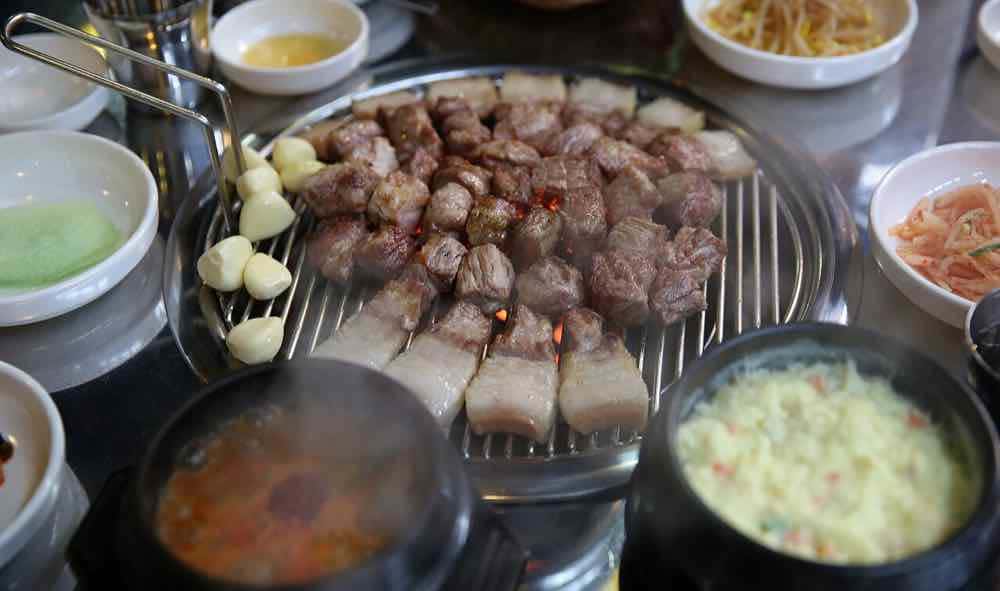
    Unlike the popular Korean barbecue cuts, this place serves “scrap meat” — lean leg and neck cuts of the pig in unorthodox shapes.

  3. 03

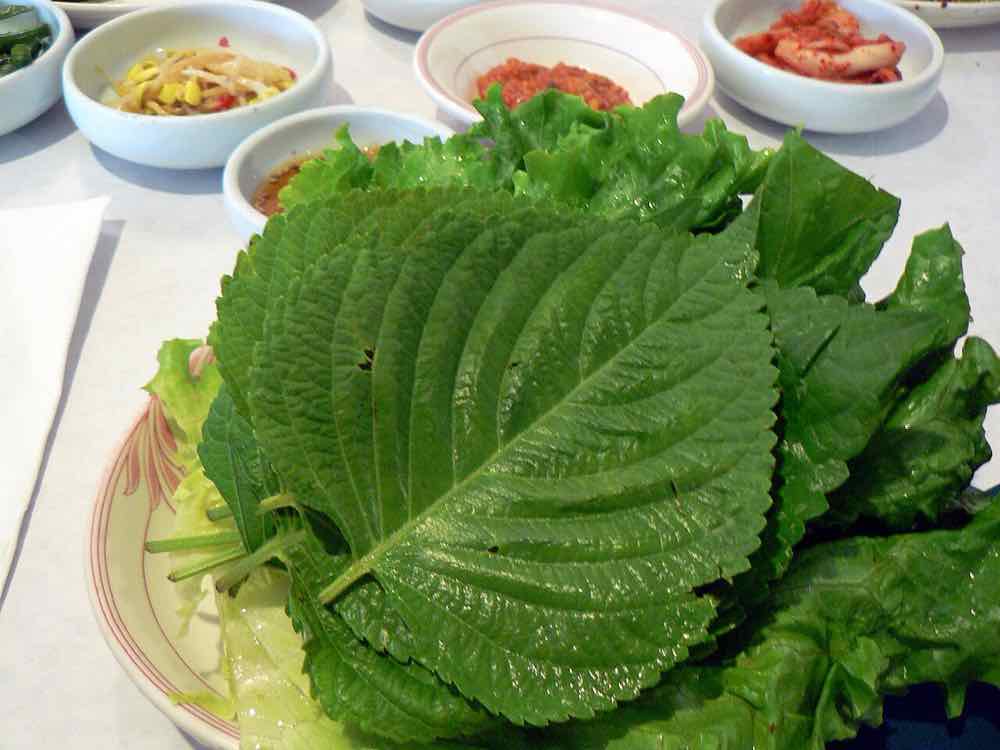
    The owner keeps a large garden that grows all four of the restaurant’s ssam vegetables.

  4. 04

    Every region of Korea has its own barbecue culture; Jeju, and this place especially, is known for spicy anchovy sauce boiled in a cup right on the grill with the meat.

  5. 05

    The meat is cooked over charcoal briquettes.

plates noted
Jeju black pork scrap cutsSpicy anchovy sauceGarden ssam vegetables
Jeju black pork on the grill
Ssam vegetables
Ssam vegetables
—undated
visit · french tasting menu

Alaise

“A seaweed butter on a light sourdough — the season, and the sea, in the first bite.”
  1. 01

    A traditional French seven-course menu.

  2. 02

    A seasonal menu run by two chefs.

  3. 03

    Great use of herb oils and of molecular food science.

  4. 04

    Great use of crustacean protein.

  5. 05

    Light sourdough from their own starter, with a seaweed compound butter.

  6. 06

    It shines a light on seasonal produce.

plates noted
Seven-course seasonal menuSourdough with seaweed compound butter
filed under the french hearth
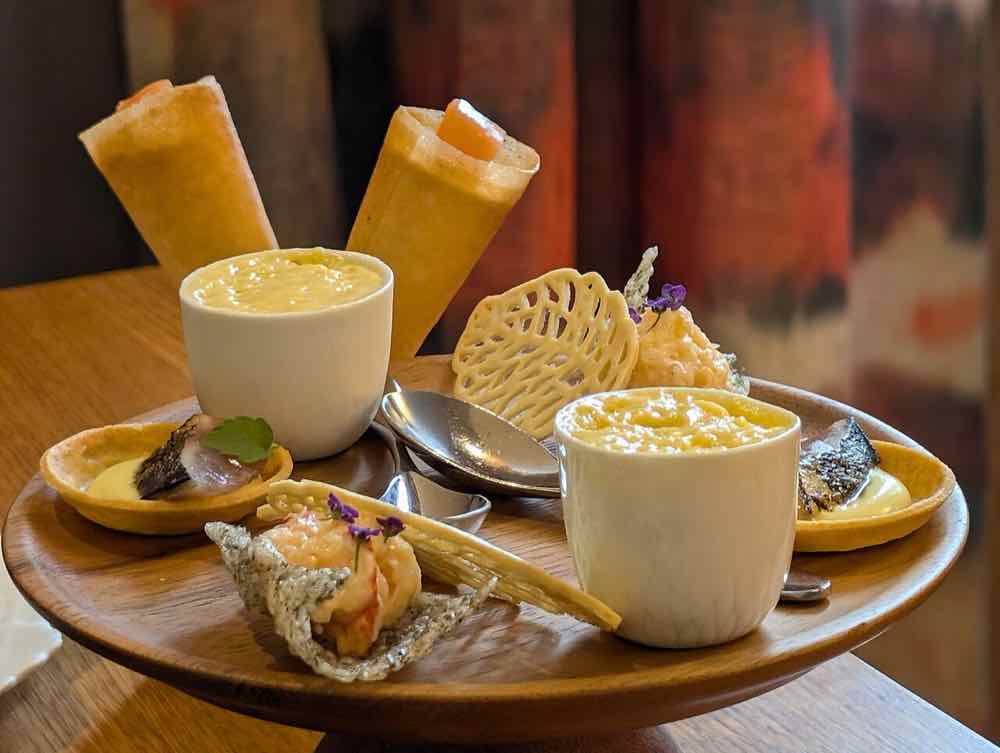
A French tasting-menu plate

Photographs in the journal are illustrative stand-ins from Wikimedia Commons until Ryan’s own field photographs are added — see the photo credits.