vol. 012026 edition8 hearths · 6 fusion arcs · 8 recipesfield journal · korean temple staysryan chun, hostest. 2026published from seoul · new yorkatlas pressvol. 012026 edition8 hearths · 6 fusion arcs · 8 recipesfield journal · korean temple staysryan chun, hostest. 2026published from seoul · new yorkatlas pressvol. 012026 edition8 hearths · 6 fusion arcs · 8 recipesfield journal · korean temple staysryan chun, hostest. 2026published from seoul · new yorkatlas press
back to the hearthstheme · cacao & cochineal
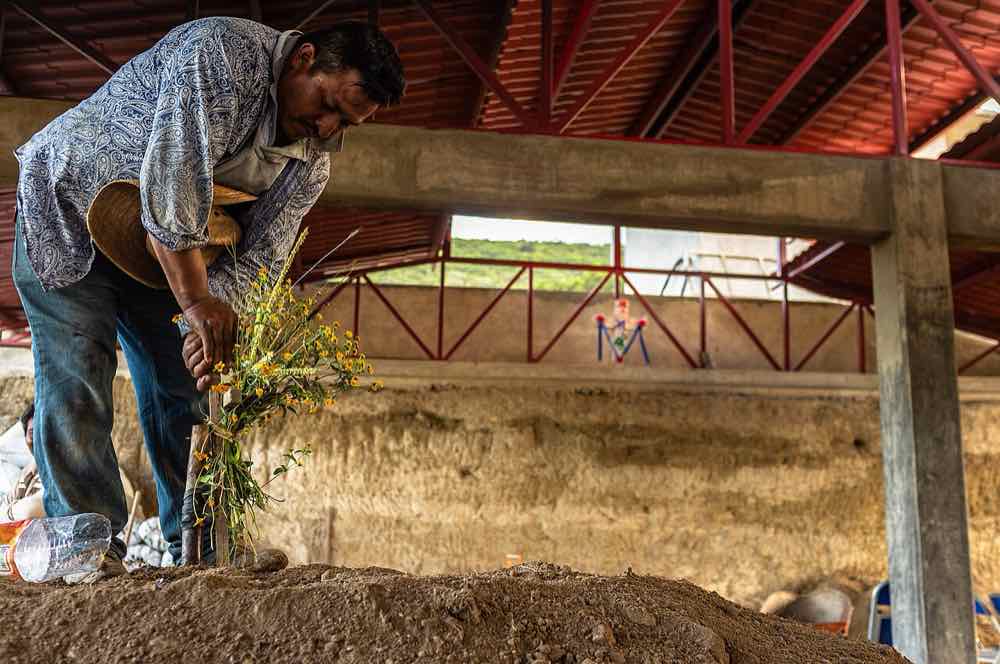
N°04 · in the fieldday of the dead through the rains

Mexican.

Seven moles, one valley

Oaxacaméxico
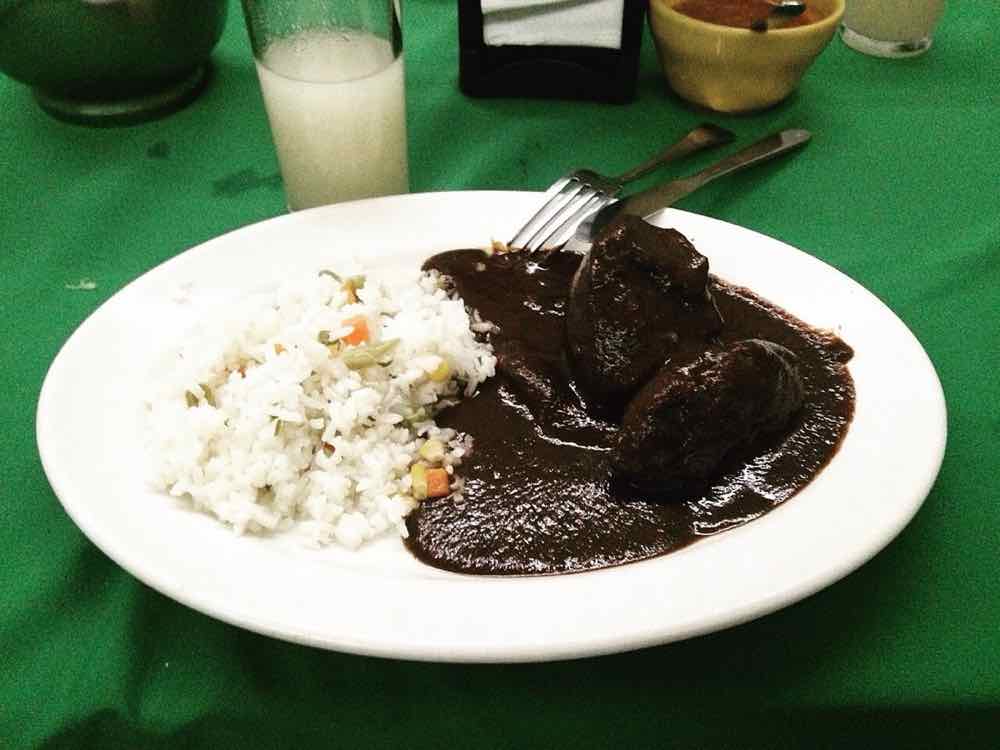
Oaxacan mole negro with rice.
Mole negrothe dark of roasted cacao and mole negro
Sin maíz no hay país.

“Without maize, there is no country.”

— Slogan of the 2007 campaign to defend Mexico’s native maize
folio n°01 · the hearth

The dark of roasted cacao and mole negro, the magenta of cochineal — Oaxaca’s great colonial export — and the marigold of the Day of the Dead.

Oaxaca is a mountainous state in Mexico’s south with sixteen officially recognised indigenous peoples — Zapotec, Mixtec, Mixe, Mazatec, Chatino and more — and one of the densest food cultures in the Americas. It is called the land of seven moles. It is also one of the places where agriculture in the Americas began: the oldest known maize cobs and some of the earliest domesticated squash were found in a single cave in its Central Valleys.

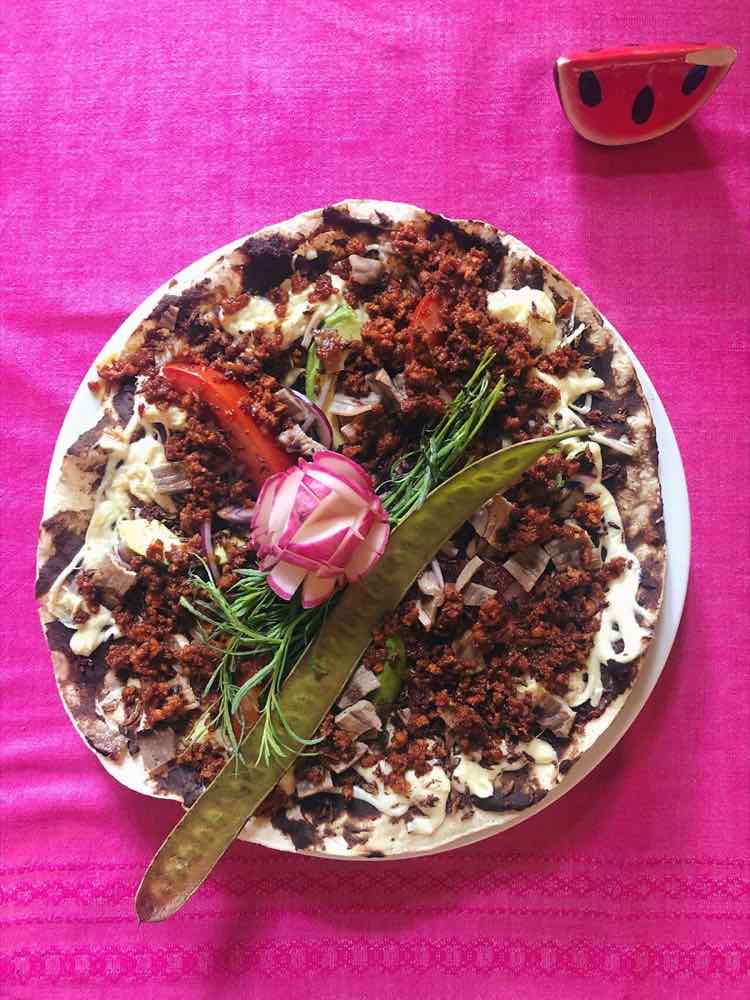
The great crisp tortilla of the Oaxacan valleys.
Tlayuda. The great crisp tortilla of the Oaxacan valleys.
folio n°02 · anthropological roots

Where it comes from.

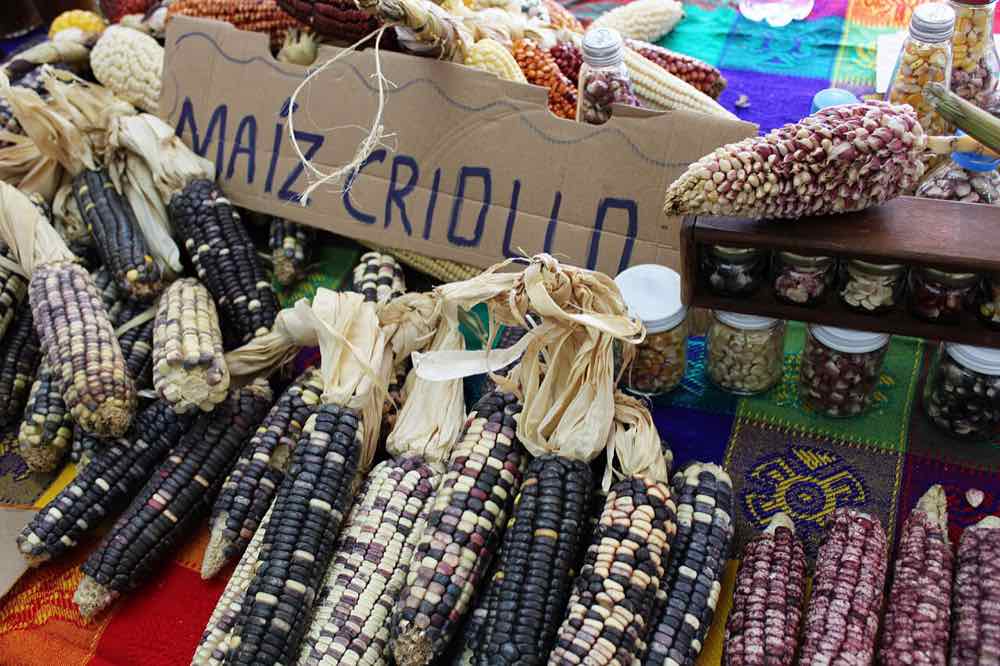
Maíz criollo
Maíz criollo
i

The milpa

Maize, beans and squash planted together, with chilli alongside: the milpa is a field and a diet at once. Beans fix nitrogen, maize gives them a pole, squash shades the soil — and on the plate, maize and beans together supply what each lacks alone.
ii

Nixtamal, the chemistry of a civilisation

Mesoamericans cook maize with lime or ash before grinding it. Nixtamalisation softens the hull, makes the dough hold together and releases niacin. When maize travelled to Europe without the technique, pellagra followed — including in the polenta-eating north of Italy.

iii

Labour, reciprocity, festival

Grinding on the metate and cooking on the comal were women’s work measured in hours a day. A mole for a wedding or a mayordomía takes a community days. The Guelaguetza — from a Zapotec idea of reciprocal giving — names Oaxaca’s great July festival.

folio n°03 · how it evolved

A history, in 6 turns.

  1. c. 10,000 years ago

    Guilá Naquitz

    In a cave in the Valley of Oaxaca, archaeologists found early domesticated squash and maize cobs dated to around 6,250 years ago — among the oldest anywhere.

    Guilá Naquitz
  2. c. 500 BCE – 800 CE

    Monte Albán

    The Zapotec capital rises on a levelled mountain above the valley. Cacao is drunk as a ritual and elite beverage.

    Monte Albán
  3. 1520s – 1700s

    Conquest and exchange

    Pigs, lard, wheat, cinnamon, almonds and sesame arrive. Cochineal — a dye from insects on Oaxacan cactus — becomes one of New Spain’s most valuable exports, after silver.

  4. 1932

    The modern Guelaguetza

    The festival of regional dance and offering takes its present form in Oaxaca City.

  5. 1990s – 2010

    Migration and recognition

    Oaxacan communities in California carry tlayudas and moles north. In 2010 UNESCO inscribes traditional Mexican cuisine as living heritage.

    Migration and recognition
  6. 2010s – now

    Mezcal and maize politics

    A global mezcal boom puts pressure on wild agave. In 2023 Mexico restricts genetically modified maize for tortillas — maize as a question of sovereignty.

    Mezcal and maize politics
folio n°04 · philosophy

Oaxacan cooking is patient and collective. A mole is not a sauce made by a cook; it is an event made by a family. The food holds memory because it takes so many hands to make.

01 · of 4

Think in milpa

Plants that support one another in the field support one another on the plate.

02 · of 4

Nixtamal first

Maize becomes food through lime and fire. Tortillas, tlayudas, tamales and tejate all begin there.

03 · of 4

Smoke and char

The comal blisters chillies and seeds; mezcal’s agave is roasted in earth pits. Fire is a seasoning.

04 · of 4

Food as reciprocity

Moles are cooked for others. A gift of food creates an obligation that keeps a community knit.

folio n°05 · the main dishes

The plates, and how they changed.

Mole negroD·01

Mole negro

The darkest mole: chilhuacle chillies, seeds and tortilla charred black, chocolate, spices, fruit.

roots

Mulli is the Nahuatl word for sauce. The Indigenous technique of toasting and grinding chillies absorbed Old World almonds, cinnamon, clove and lard after 1521.

how it changed

Once days of communal work for a fiesta, it is now also sold as ready paste in Oaxaca’s markets. Chilhuacle negro has grown scarce, and cooks substitute other chillies.

TlayudaD·02

Tlayuda

A huge, thin, toasted tortilla with asiento (unrefined lard), beans, quesillo and meat.

roots

A Central Valleys tortilla made to keep for days — food for travel and field work.

how it changed

Now Oaxaca City’s night street food, and a symbol of Oaxacan migrant communities in Los Angeles.

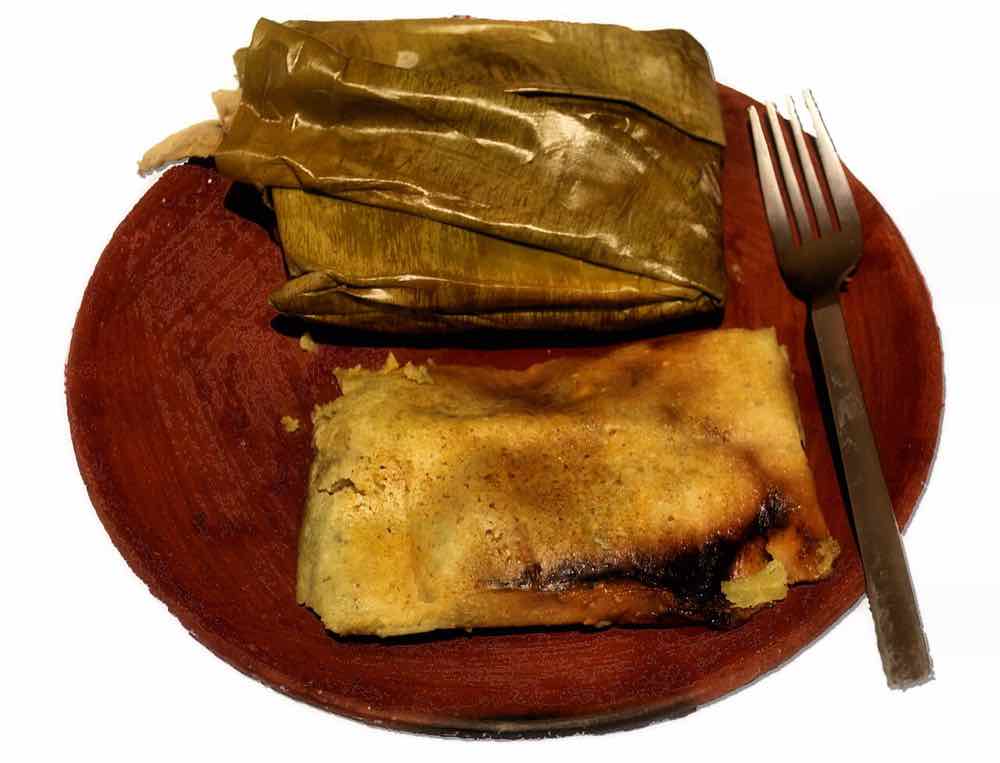
Tamales oaxaqueñosD·03

Tamales oaxaqueños

Masa and mole negro wrapped and steamed in banana leaf.

roots

Tamales are pre-Hispanic; the banana plant came from the Old World. The wrapper is the colonial encounter in one leaf.

how it changed

Festive food that has become an everyday market staple.

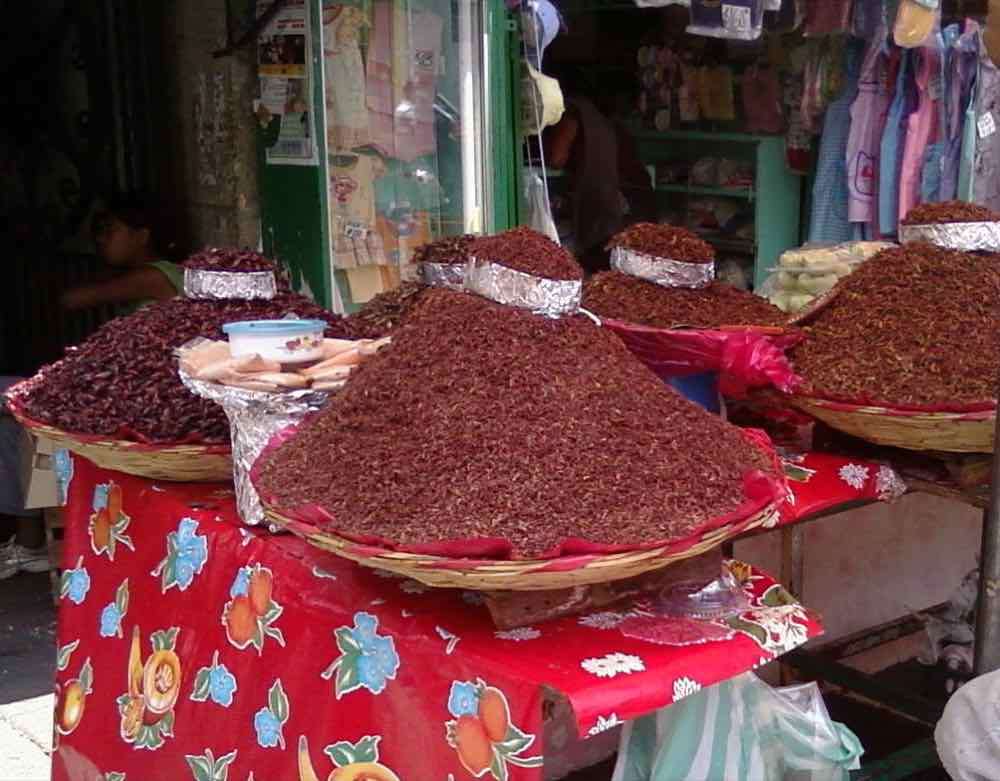
ChapulinesD·04

Chapulines

Grasshoppers toasted on the comal with lime, garlic, chilli and salt.

roots

An Indigenous protein harvested from the milpa itself.

how it changed

From rural staple to tourist dare to “future protein” in global food-tech pitches.

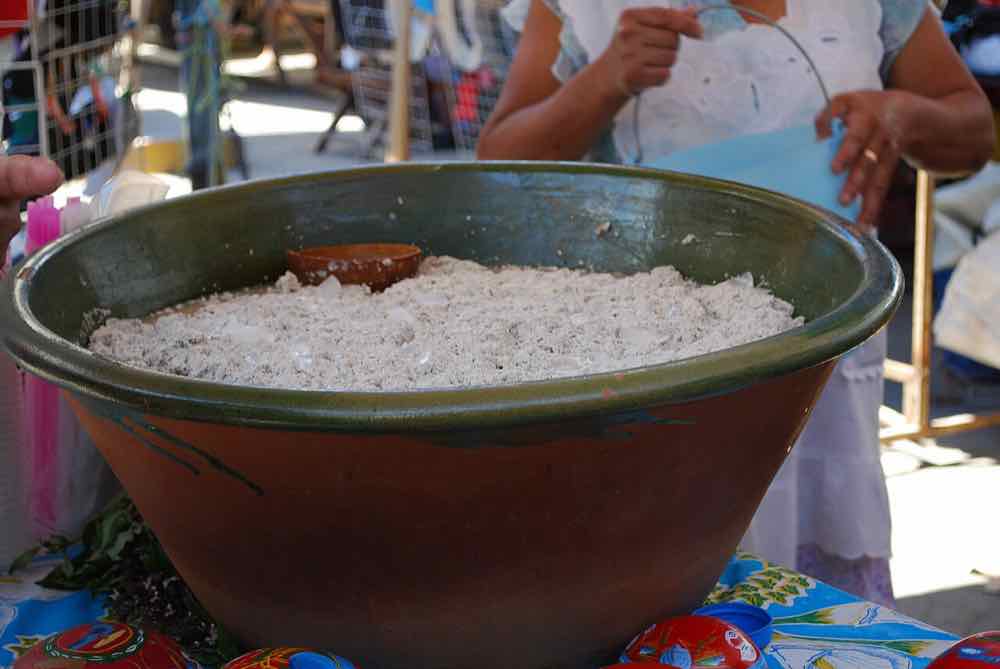
TejateD·05

Tejate

A cold Zapotec drink of maize, cacao, mamey seed and cacao flower, crowned with a pale foam.

roots

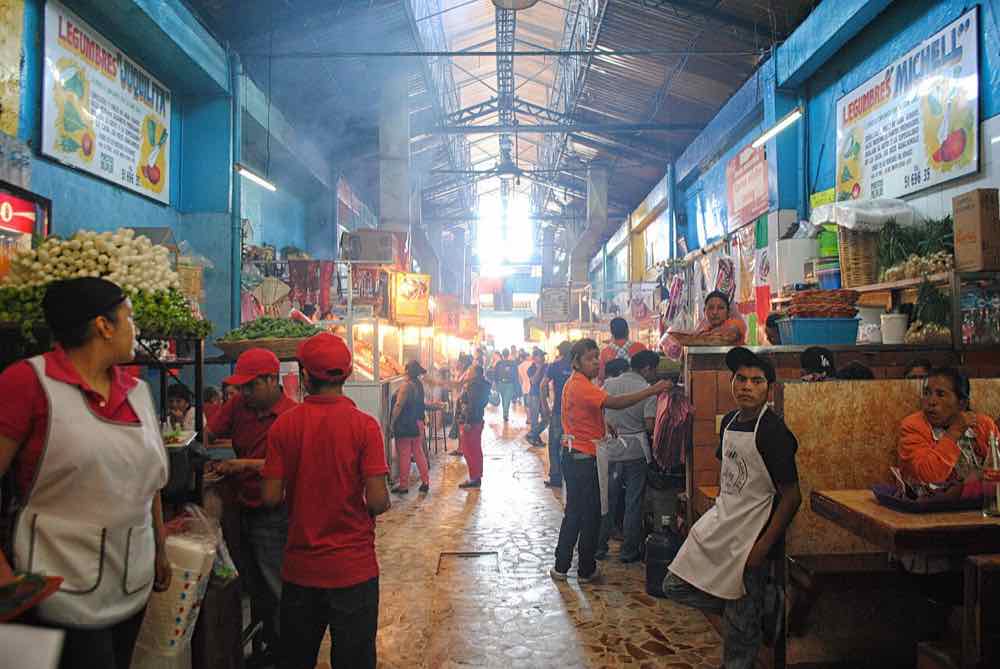
Pre-Hispanic in origin, still beaten by hand and served from painted gourds in valley markets.

how it changed

Village fairs keep it alive; its labour makes it hard to industrialise, which may be what protects it.

folio n°06 · the larder

Ingredients, and their histories.

Maíz criollo

Maíz criollo

Native maize in many colours — the base of almost everything.

Domesticated from teosinte in southern Mexico. Its genetic diversity is a living archive held by farmers.

Chiles oaxaqueños

Chiles oaxaqueños

Chilhuacle, pasilla oaxaqueño, chile de agua — colour, smoke and heat.

Some are grown only in small districts of the state, and their scarcity shapes what moles can be made.

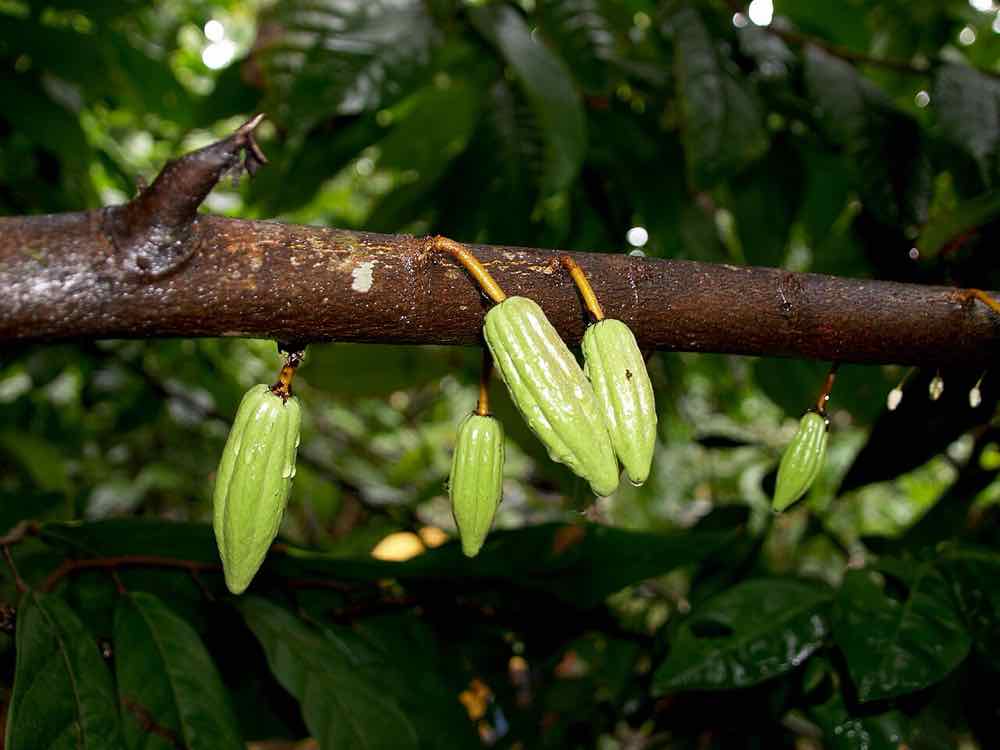
Cacao

Cacao

Ground with sugar and cinnamon for drinking chocolate, and into mole.

Once ritual drink and currency, now the breakfast of Oaxacan markets.

H

Hoja santa

A large anise-scented leaf for wrapping and flavouring.

Native to Mesoamerica, central to Oaxaca’s green mole and tamales.

Agave

Agave

Roasted, crushed and fermented for mezcal.

Some wild agaves take decades to mature; global demand now tests that patience.

folio n°07 · what it means

Oaxaca’s food is ongoing community culture, not a museum. Its techniques were survival technologies — nixtamal, the milpa, reciprocity — that are now marketed back to the world as craft.

The pressing question is who benefits. The mezcal boom and the maize debate both turn on whether Indigenous knowledge stays in the hands of the people who kept it alive.

interviews in progress

This hearth is still in the field.

Oaxaca is the densest culinary territory in the Americas — seven canonical moles, three distinct masas, an indigenous pantry that predates contact by millennia. The flagship Mexican Hearth opens November 2026 with the Oaxacan tianguis interviews.

folio n°08 · related fusions

Bridges from this hearth.

Gochujang Mole Negro

Mole negro and gochujang share a structural logic — fermented chile, sweetened by dried fruit (chocolate vs. jocheong rice syrup), thickened by seed and grain. A blended mole-jang holds three months in the jar.

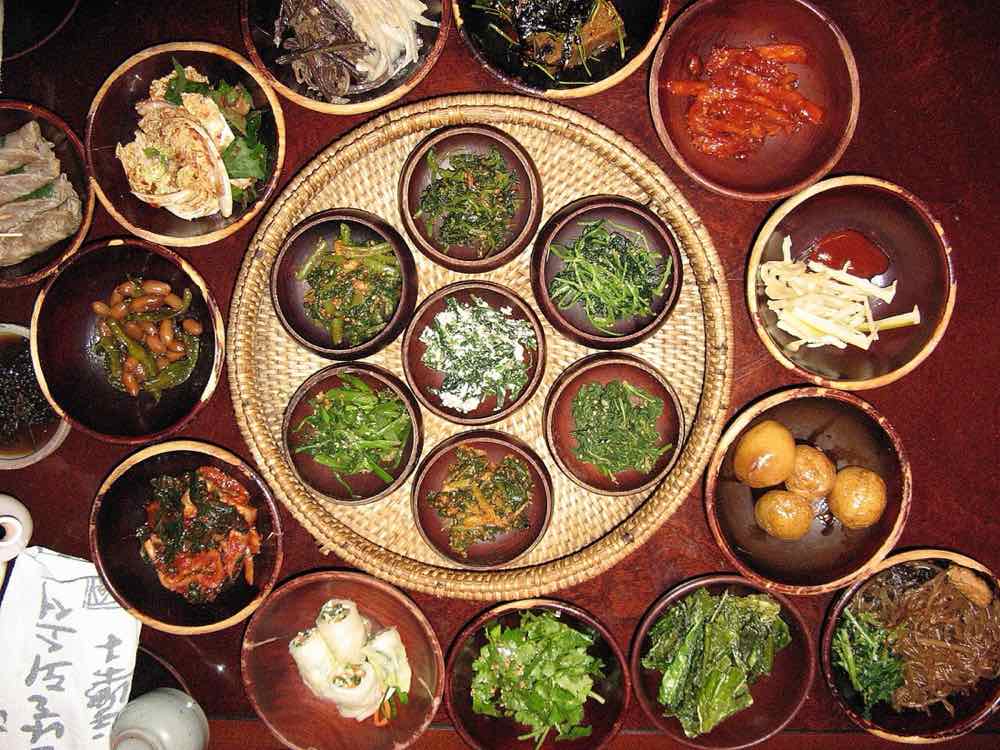
A temple-style spread of namul, jangajji and mountain greens.