vol. 012026 edition8 hearths · 6 fusion arcs · 8 recipesfield journal · korean temple staysryan chun, hostest. 2026published from seoul · new yorkatlas pressvol. 012026 edition8 hearths · 6 fusion arcs · 8 recipesfield journal · korean temple staysryan chun, hostest. 2026published from seoul · new yorkatlas pressvol. 012026 edition8 hearths · 6 fusion arcs · 8 recipesfield journal · korean temple staysryan chun, hostest. 2026published from seoul · new yorkatlas press
back to the hearthstheme · banana leaf & turmeric
N°07 · in the fieldpost-monsoon through pongal

Tamil.

Spice as architecture, not decoration

Madurai & the Chettinad beltindia
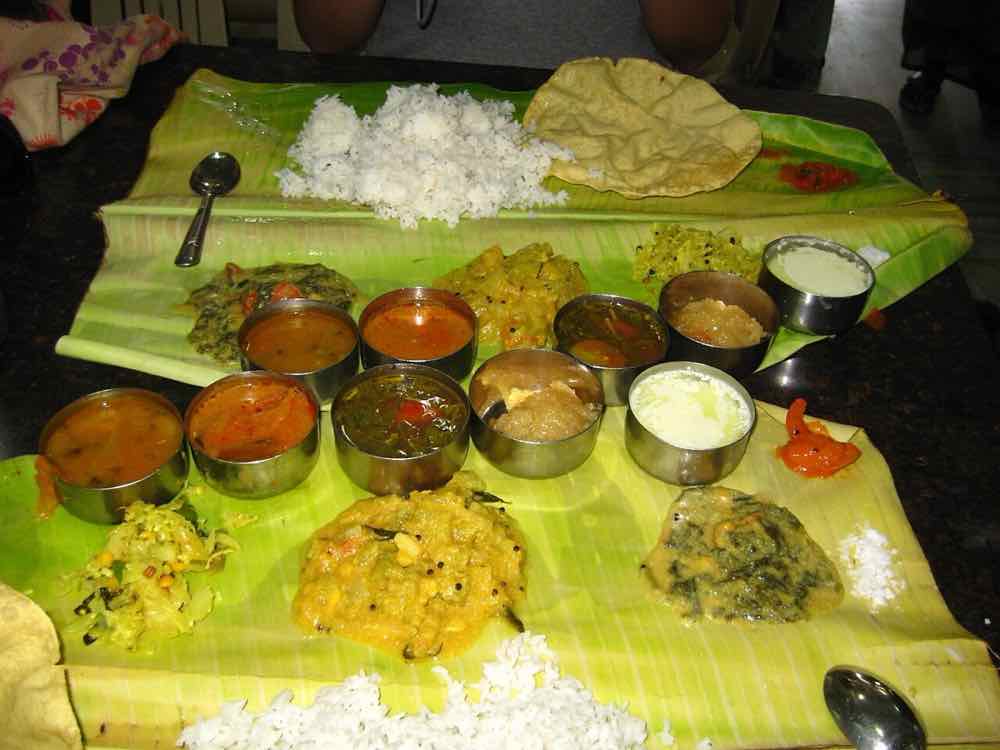
Rice, kootu, poriyal and rasam, served on the leaf.
Banana-leaf mealthe deep green of a banana leaf laid for a meal
மருந்தென வேண்டாவாம் யாக்கைக்கு அருந்தியது அற்றது போற்றி உணின்

“The body needs no medicine if you eat only after what you ate before has been digested.”

— Tiruvalluvar, Thirukkural, verse 942
folio n°01 · the hearth

The deep green of a banana leaf laid for a meal, turmeric gold, and the red of kumkum.

Tamil cooking belongs to Tamil Nadu and the Tamil diaspora: rice, tamarind, lentils, coconut and pepper, eaten from a banana leaf with the right hand. Two strands meet in this hearth — the temple city of Madurai and Chettinad, the dry region of the Chettiar merchant community, whose wealth and travels gave it one of India’s most aromatic cuisines.

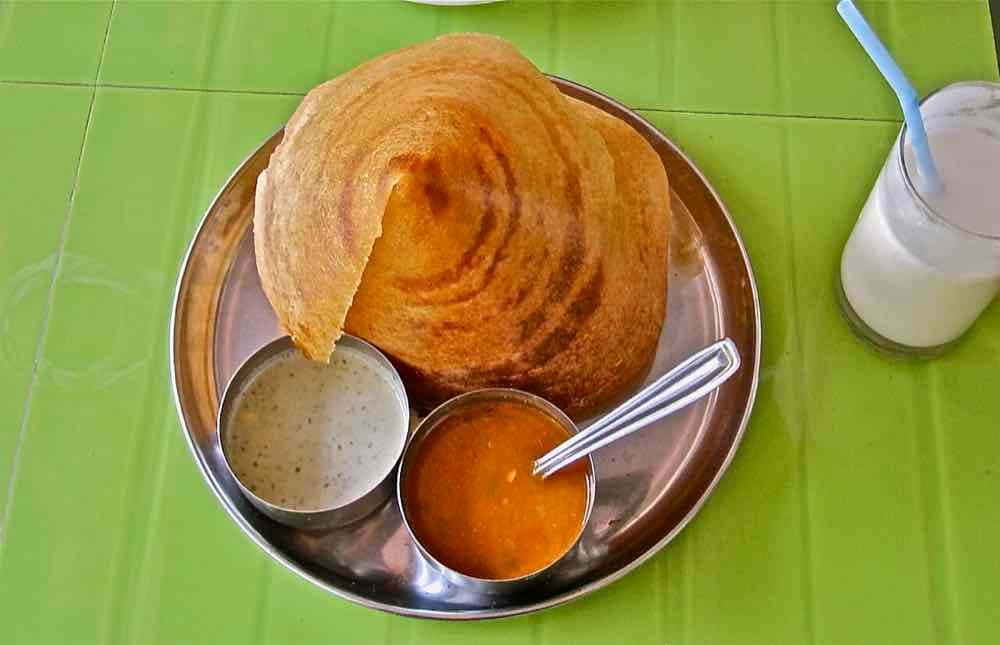
Dosa with coconut chutney and sambar.
Masala dosa. Dosa with coconut chutney and sambar.
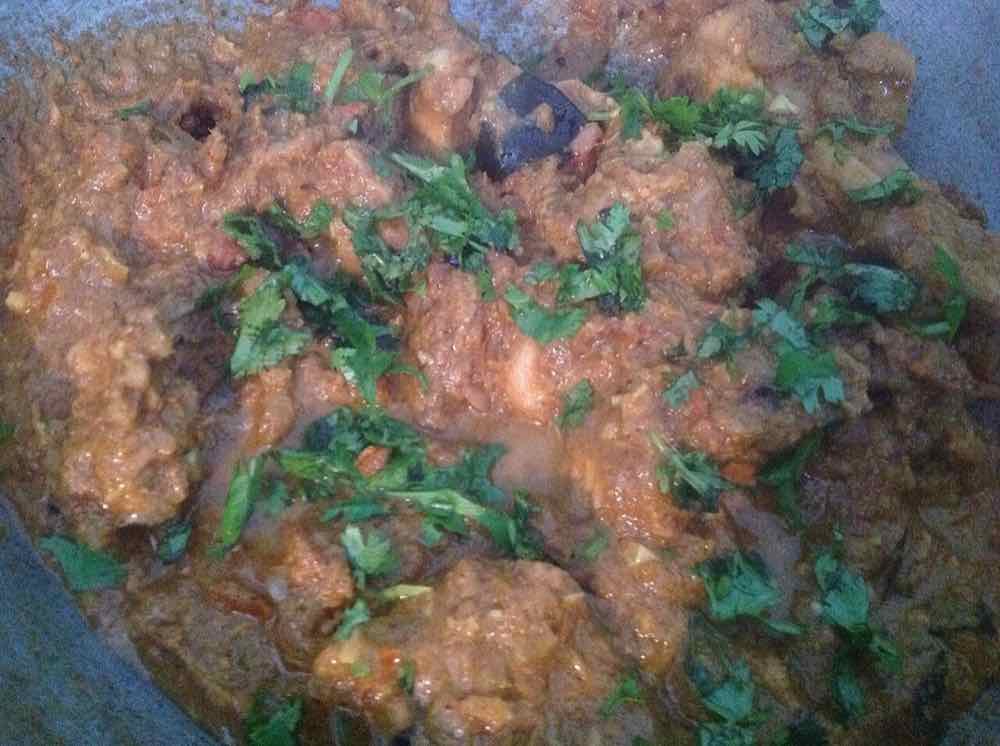
Roasted-spice Chettinad curry.
Chicken Chettinad. Roasted-spice Chettinad curry.
folio n°02 · anthropological roots

Where it comes from.

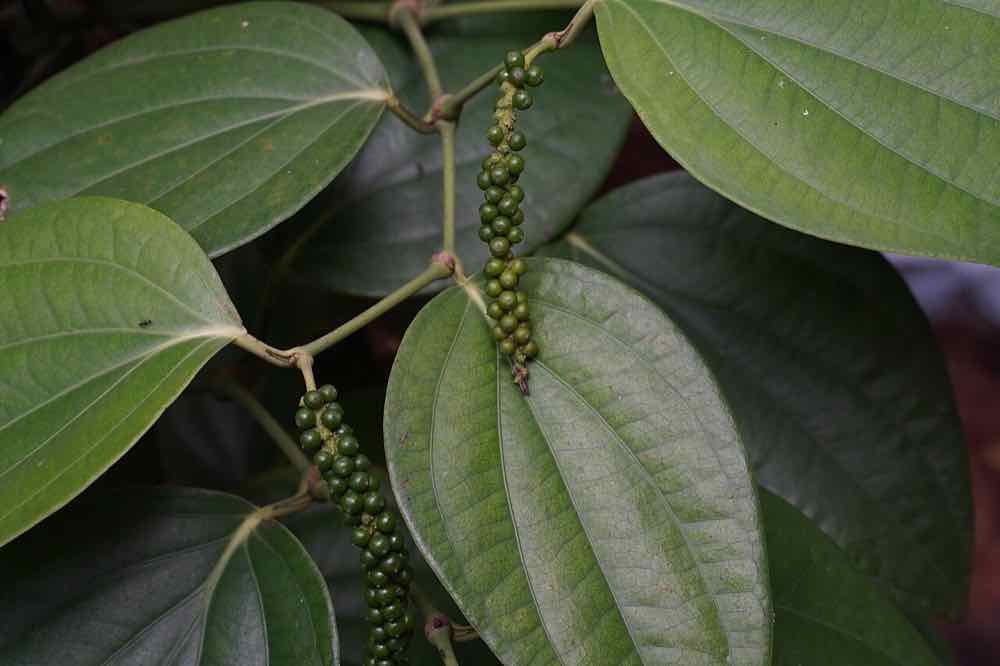
Milagu
Milagu
i

Five landscapes, five larders

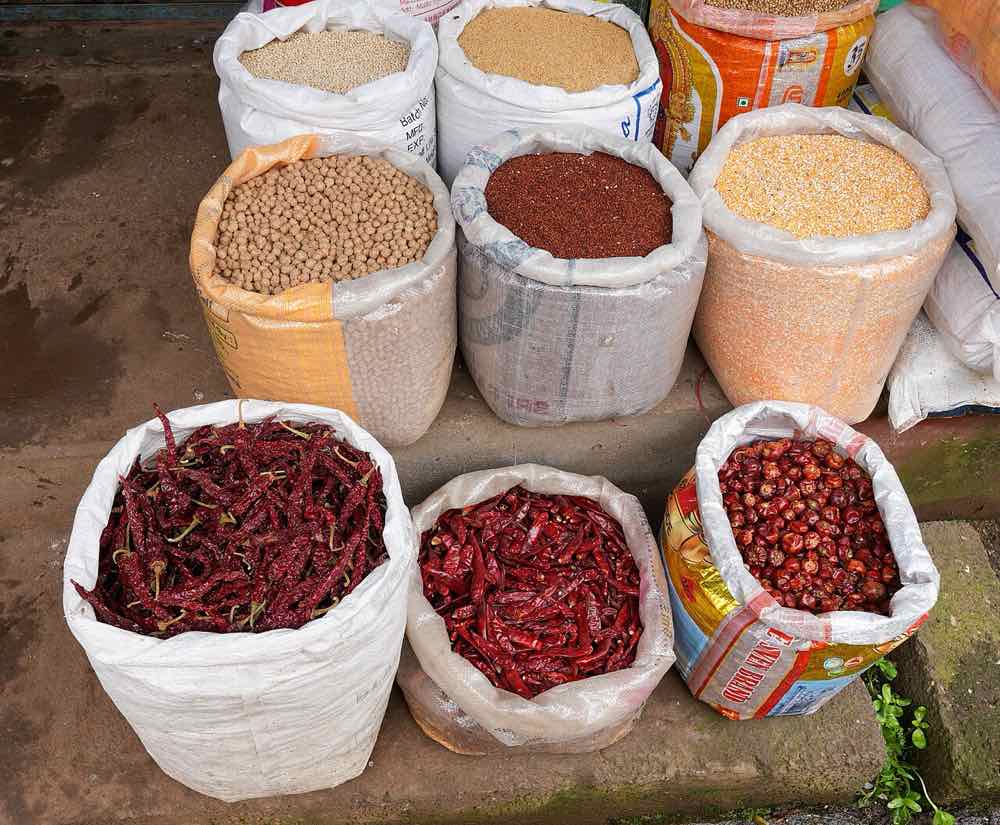
Classical Sangam poetry, written roughly two thousand years ago, divides the world into tinai — mountain, forest, farmland, coast and arid land — each with its own people, gods and foods: honey and millet in the hills, rice in the fields, fish and salt on the shore. It is an early ecological map of diet.
ii

The leaf and the order of things

A banana-leaf meal has a fixed geography — salt and pickle at one edge, rice at the centre, courses arriving in sequence. The leaf is clean and thrown away, which also made it part of strict rules of purity about who could eat with whom. Social movements in the twentieth century fought those rules; the shared meal became a political act.

iii

Food as medicine and offering

Tamil thinking holds that food is medicine, balancing six tastes on the leaf — sweet, sour, salty, bitter, pungent and astringent. Temple kitchens prepare food for the deity and return it to the faithful as prasadam, the same logic of offering found in Korean gongyang.

folio n°03 · how it evolved

A history, in 6 turns.

  1. c. 300 BCE – 300 CE

    Sangam and pepper

    Tamil poetry flourishes; Roman ships trade for pepper along the South Indian coast, and Roman goods turn up at Arikamedu.

    Sangam and pepper
  2. 800s – 1200s

    The Cholas

    Temple economies feed vast congregations; Tamil traders sail to Southeast Asia.

  3. 1500s

    Chilli arrives

    Portuguese traders bring American chillies, which quickly join — and partly replace — pepper as the main heat.

    Chilli arrives
  4. 1800s – 1930s

    The Chettiar diaspora

    Chettiar bankers trade across Burma, Malaya and Ceylon and build great mansions at home. Their kitchens absorb spices from the whole trading world.

    The Chettiar diaspora
  5. 1956 – 1982

    The state as hearth

    Madras state begins free midday meals for schoolchildren in 1956; Tamil Nadu expands them into a universal noon-meal scheme in 1982.

    The state as hearth
  6. 2022

    Breakfast for children

    Tamil Nadu adds a free school breakfast — the latest chapter in treating food as a public right.

    Breakfast for children
folio n°04 · philosophy

The Tamil meal balances — six tastes on one leaf, heat against cooling, rice against relish. The ideal is not a single great dish but a well-ordered meal that leaves the body steady.

01 · of 4

Six tastes

Arusuvai: every proper meal touches sweet, sour, salty, bitter, pungent and astringent.

02 · of 4

Rice at the centre

Courses — sambar, rasam, curd — are eaten in turn with rice, and the meal ends cooling with curd.

03 · of 4

Tempering

Mustard seed, curry leaf and dried chilli crackled in oil open almost every dish.

04 · of 4

Food is medicine

Pepper and tamarind in rasam for digestion, turmeric for healing: the kitchen is also a pharmacy.

folio n°05 · the main dishes

The plates, and how they changed.

SappaduD·01

Sappadu

சாப்பாடு

The full banana-leaf meal: rice, sambar, rasam, vegetables, appalam, payasam and curd.

roots

A meal structure tied to festival, wedding and temple feeding.

how it changed

Restaurants now serve it on steel plates lined with leaf — the old order kept, the setting changed.

RasamD·02

Rasam

ரசம்

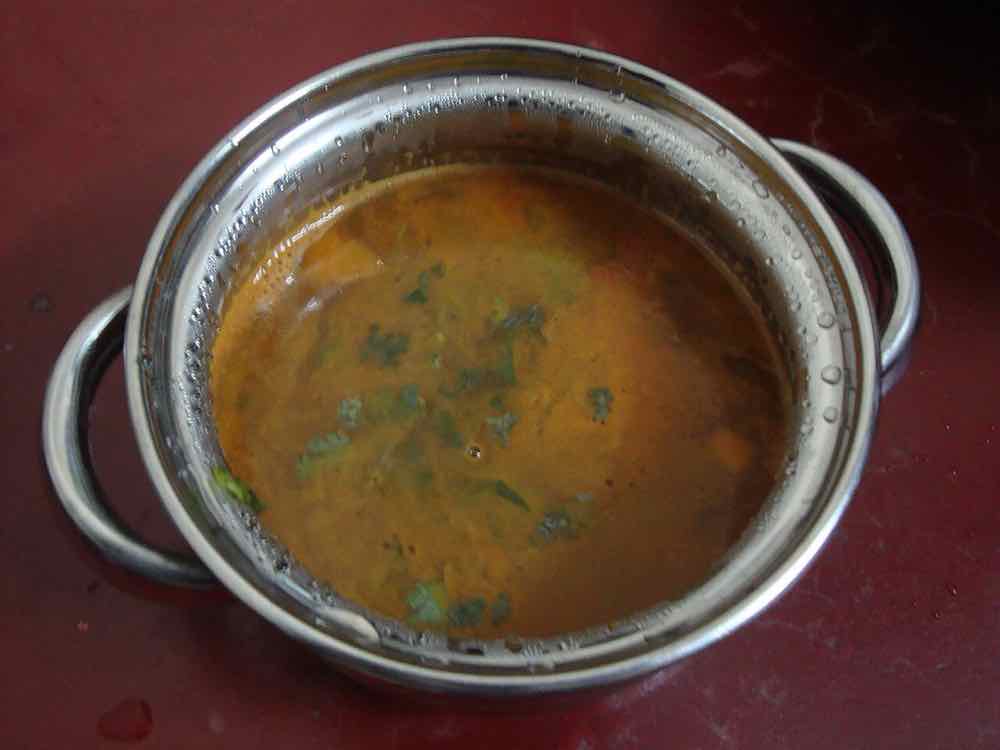
A thin, peppery broth of tamarind, tomato and spices.

roots

Milagu thanni — pepper water — older than the chilli.

how it changed

The British anglicised milagu thanni as “mulligatawny” and turned it into a thick colonial soup. At home, rasam remains a digestive.

SambarD·03

Sambar

சாம்பார்

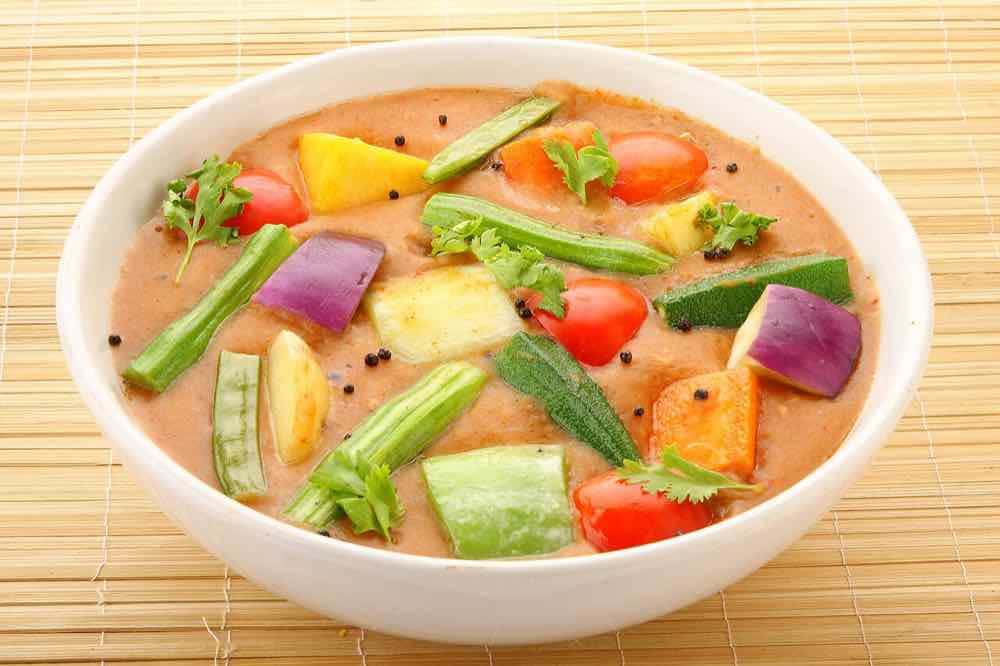
Lentils and vegetables in tamarind with a ground spice mix.

roots

A popular story links it to the Maratha court of Thanjavur; its exact origin is unrecorded.

how it changed

Now the default “South Indian” curry worldwide — which hides how many regional versions there are.

PongalD·04

Pongal

பொங்கல்

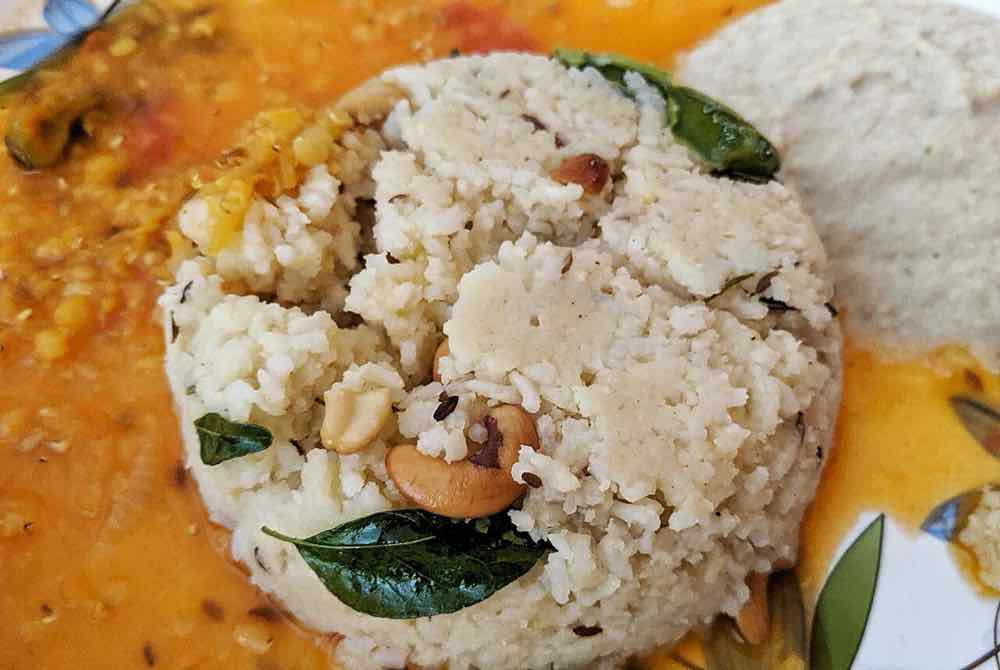
Rice and lentils cooked until they boil over — savoury with pepper, or sweet with jaggery.

roots

Named for the harvest festival in January; the overflowing pot means abundance.

how it changed

Festival dish, everyday breakfast and temple offering all at once.

Idli & dosaD·05

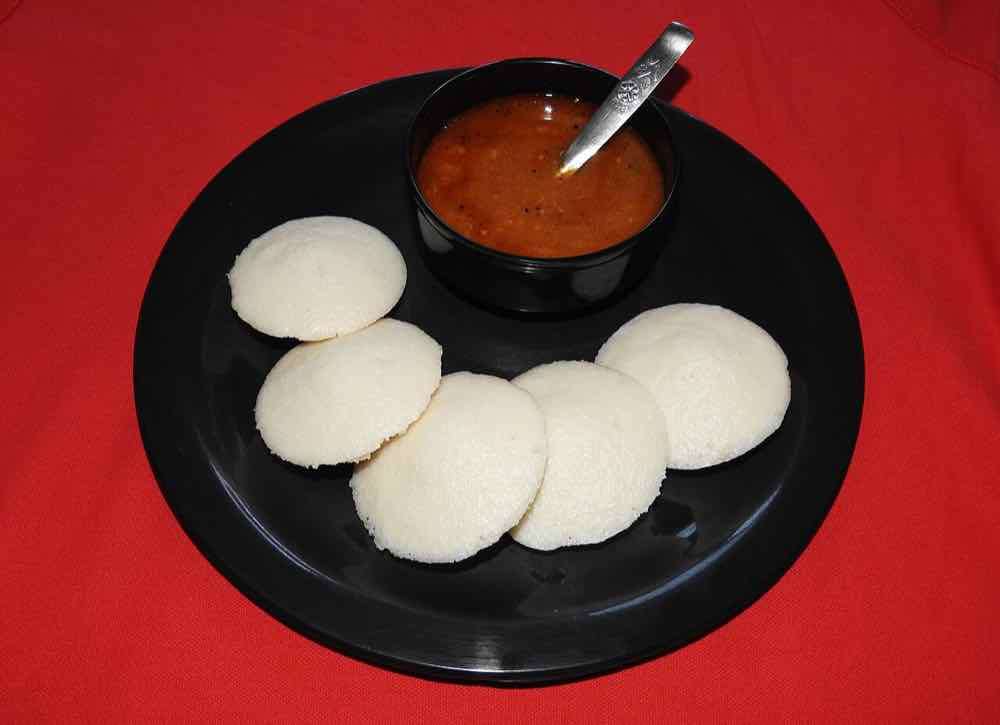
Idli & dosa

இட்லி · தோசை

Steamed and griddled cakes of fermented rice and black gram.

roots

The food historian K. T. Achaya suggested idli may have been shaped by contact with Indonesia; dosa is attested in Tamil texts for centuries.

how it changed

Spread nationally through restaurants in the twentieth century and now globally — the most travelled Tamil foods.

folio n°06 · the larder

Ingredients, and their histories.

Milagu

Milagu

மிளகு

Black pepper — the original heat.

Grown in the Western Ghats; the trade that drew Rome to South India.

Puli

Puli

புளி

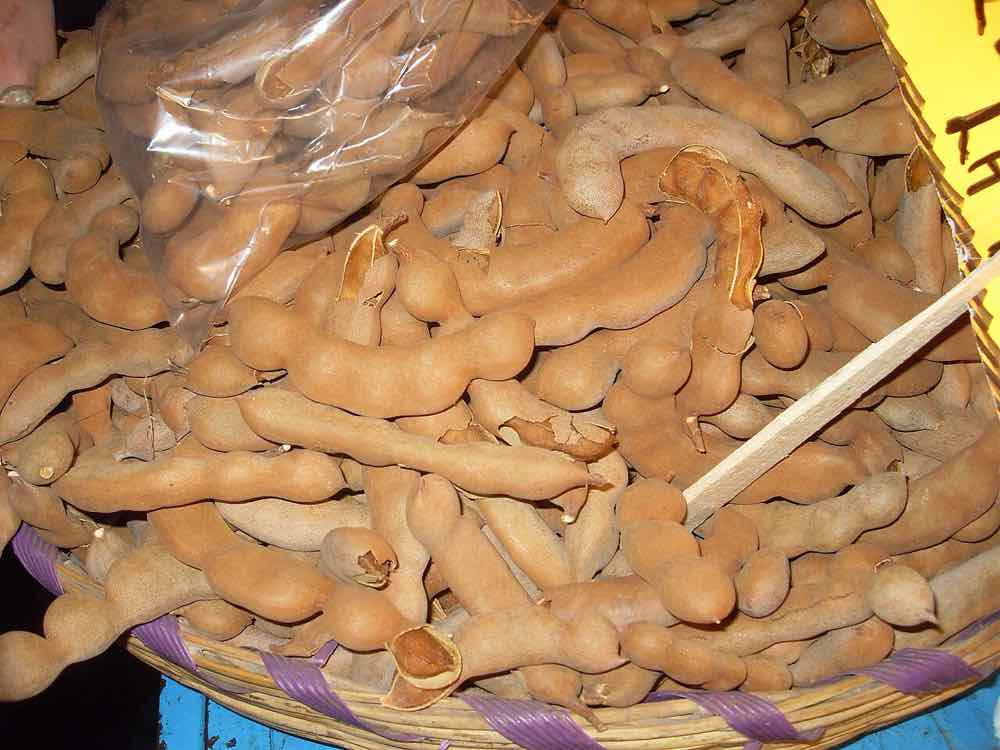
Tamarind — the sour backbone of sambar and rasam.

Native to Africa but cultivated in India for so long it seems native.

Karuveppilai

Karuveppilai

கறிவேப்பிலை

Curry leaf, crackled in oil.

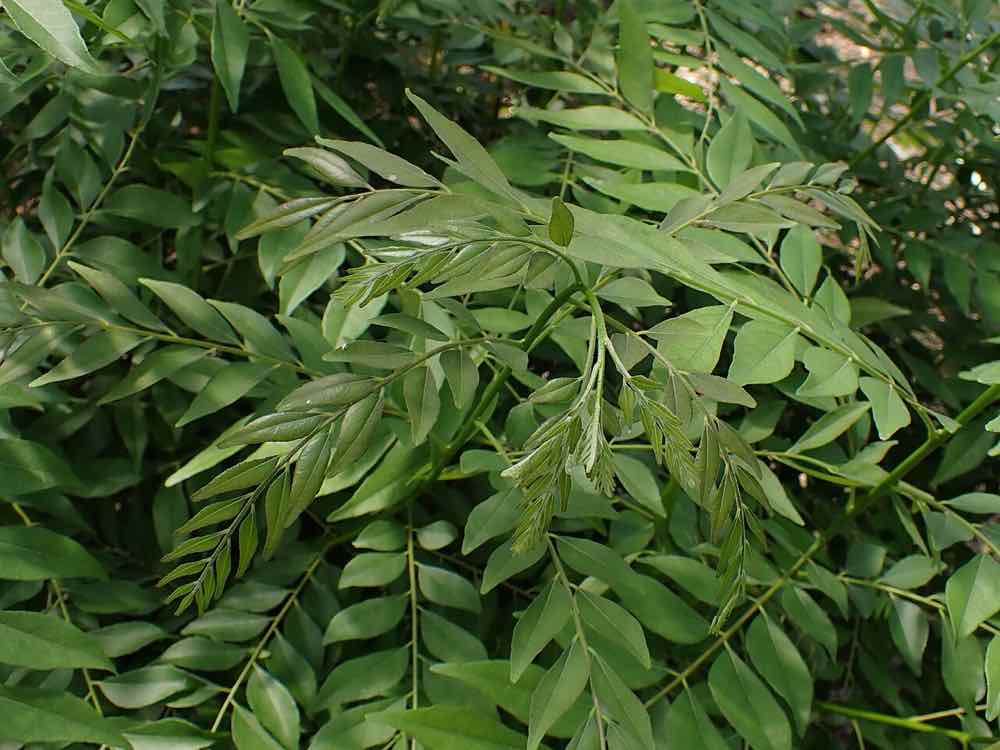
A South Indian native; the scent of a tempering.

மஞ்சள்

Manjal

Turmeric — colour, healing and ritual.

Tied to the Pongal festival, where turmeric plants are hung on the cooking pot.

Kalpasi

Kalpasi

கல்பாசி

Stone flower, a dried lichen with a smoky, earthy perfume.

A Chettinad signature that marks the region’s spice blends.

folio n°07 · what it means

Tamil food shows the meal as a social contract: the banana leaf’s rules once divided people; the state’s free meals now bring children to the same table.

Around the world, “South Indian” menus flatten many cuisines into idli, dosa and sambar. A Tamil hearth has to recover the specific — Chettinad’s spice routes, Madurai’s temples, the pepper that came before the chilli.

interviews in progress

This hearth is still in the field.

Tamil and Chettinad cooking — the Coromandel coast's answer to the question of what spice can do when treated as structure rather than garnish. Opens spring 2027.

folio n°08 · related fusions

Bridges from this hearth.

Rasam Brodo Tortellini

Rasam and capon brodo are both clear, aromatic, restorative. Floating tortellini in a tamarind-tempered rasam doesn't fuse the cuisines — it reveals they were asking the same question in two languages.

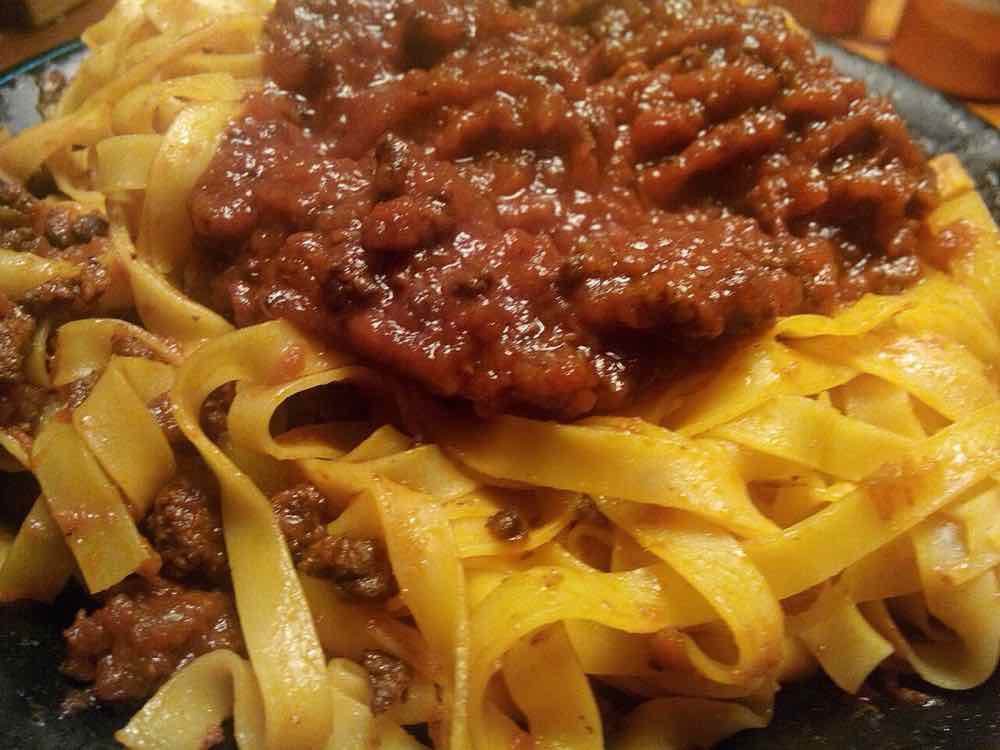
Egg ribbons and a slow Bolognese ragù.