vol. 012026 edition8 hearths · 6 fusion arcs · 8 recipesfield journal · korean temple staysryan chun, hostest. 2026published from seoul · new yorkatlas pressvol. 012026 edition8 hearths · 6 fusion arcs · 8 recipesfield journal · korean temple staysryan chun, hostest. 2026published from seoul · new yorkatlas pressvol. 012026 edition8 hearths · 6 fusion arcs · 8 recipesfield journal · korean temple staysryan chun, hostest. 2026published from seoul · new yorkatlas press
back to the hearthstheme · limestone & pomegranate
N°08 · in the fieldspring meze through olive harvest

Levantine.

The mezze as a long conversation

Beirut & Mount Lebanonlubnān
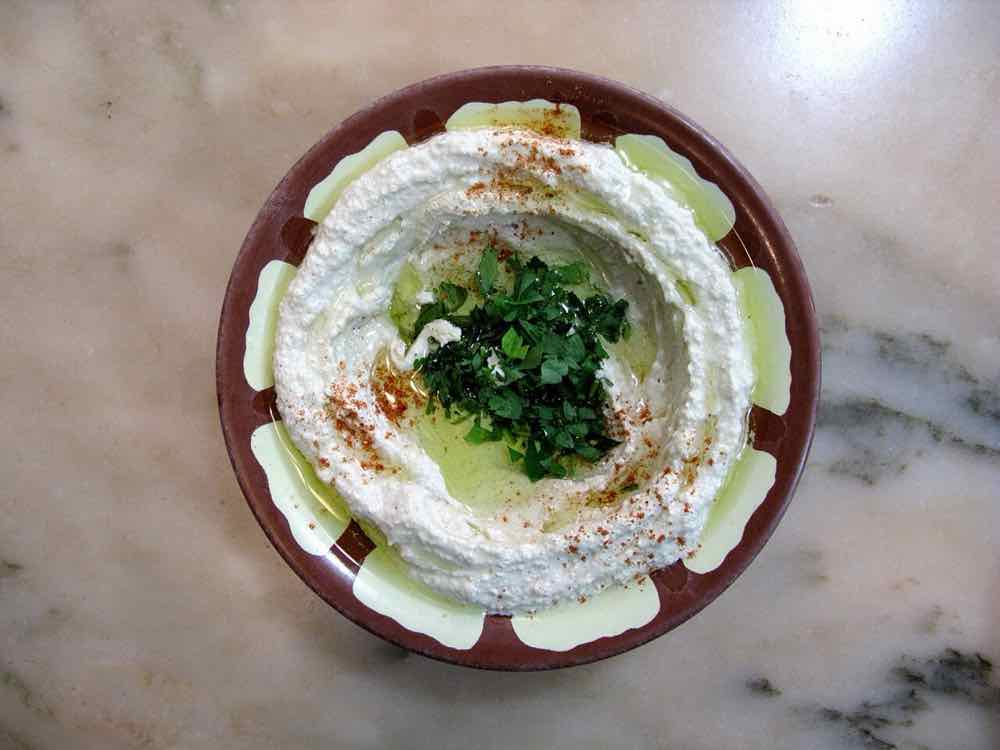
Hummus bi tahini, Baalbek.
Hummuspale levantine limestone
صحتين · على قلبك

“Sahtein — two healths to you. And the reply: ‘on your heart.’”

— Table greeting across the Levant
folio n°01 · the hearth

Pale Levantine limestone, the dusty green of za’atar and olive, and the red of pomegranate and sumac.

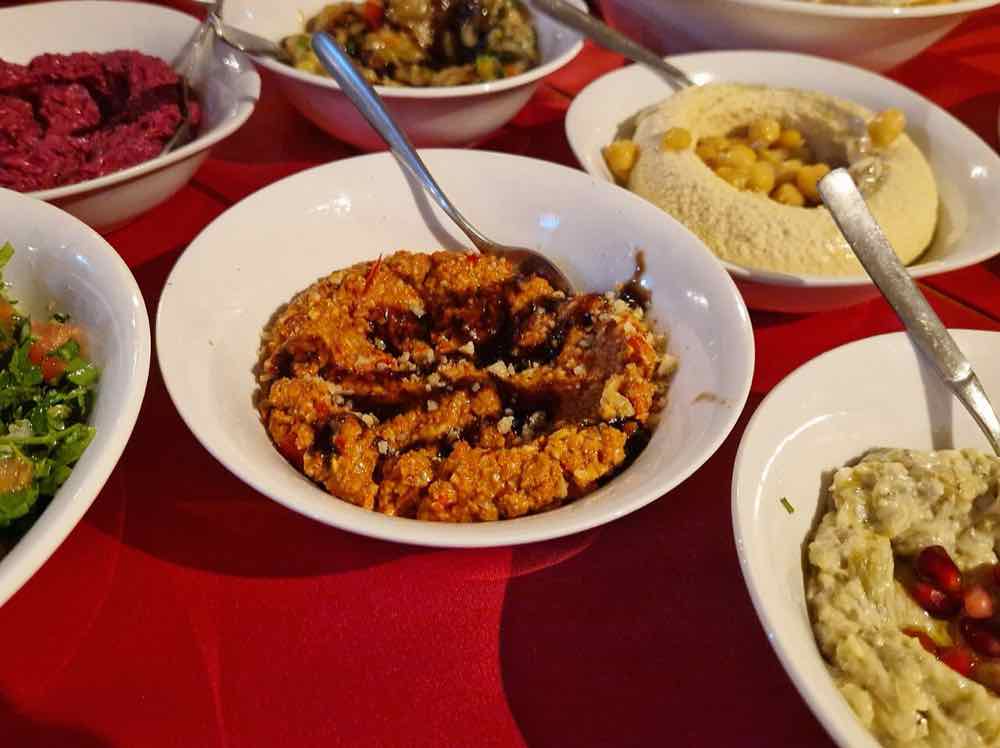
The Levant lies along the eastern Mediterranean, in the western arc of the Fertile Crescent, where wheat, barley, lentils and chickpeas were among the first crops ever domesticated. Lebanon packs a coast, a mountain range and the Bekaa valley into a small country. Its food is herbs and grain, olive oil and yoghurt, sour fruit and slow hospitality — and a mezze table that turns eating into conversation.

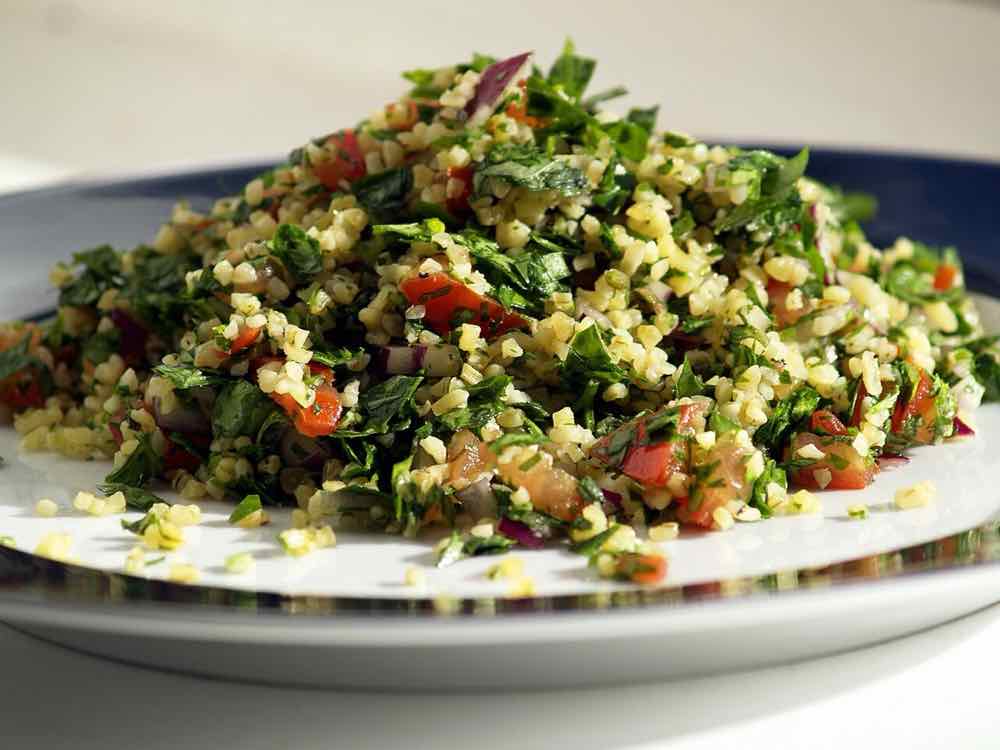
Parsley, bulgur, tomato and lemon.
Tabbouleh. Parsley, bulgur, tomato and lemon.
folio n°02 · anthropological roots

Where it comes from.

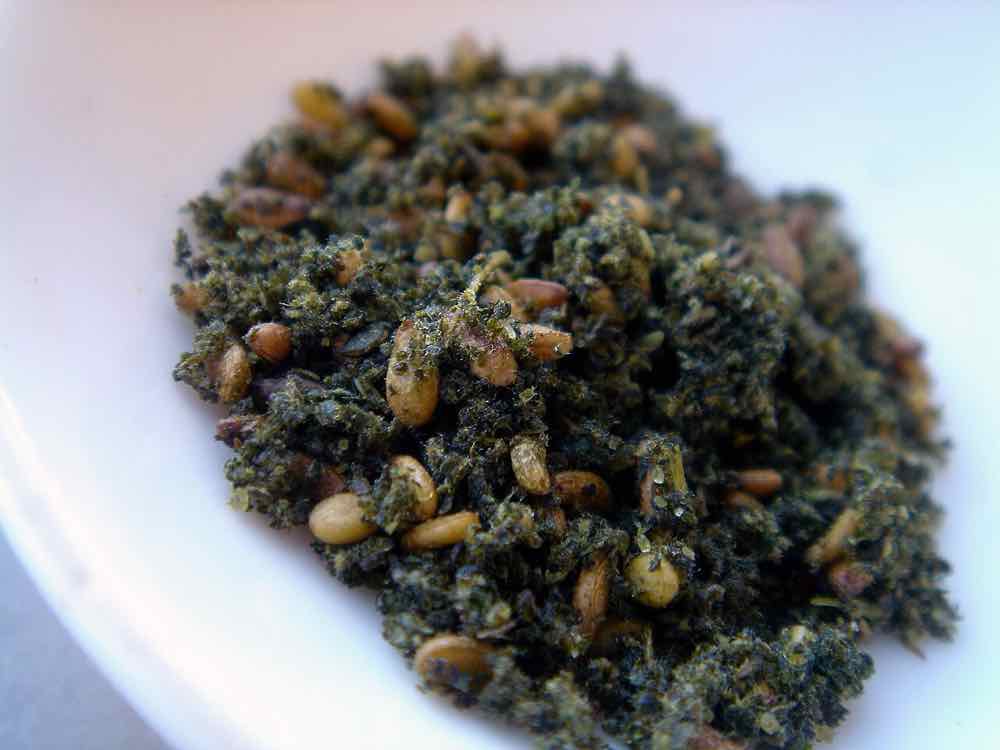
Za’atar
Za’atar
i

Where farming began

Around 9500 BCE the founder crops — emmer and einkorn wheat, barley, lentils, peas, chickpeas, bitter vetch and flax — were domesticated in this region. Bulgur, wheat parboiled and cracked so it keeps, and freekeh, green wheat roasted in the field, are processing techniques of almost unimaginable age.
ii

Mouneh: the year in jars

In late summer, mountain households make the mouneh, the winter store: labneh balled in oil, kishk of yoghurt and bulgur dried on rooftops, jams, pickles, dried herbs, pomegranate molasses, lamb preserved in its own fat. It is collective work, usually women’s, that turns one season’s abundance into a year’s security.

iii

Hospitality as a table

Mezze — from a Persian word for taste — is a table of many small dishes shared over hours, often with arak. Generosity is performed through abundance: the host keeps bringing food. The custom spread through the Ottoman world and shapes Levantine sociability still.

folio n°03 · how it evolved

A history, in 6 turns.

  1. c. 9500 BCE

    The founder crops

    Wheat, barley, lentils and chickpeas are domesticated in the Fertile Crescent.

    The founder crops
  2. c. 1200 – 300 BCE

    The Phoenicians

    Byblos, Sidon and Tyre trade wine, olive oil and cedar across the Mediterranean, along with a famous purple dye.

    The Phoenicians
  3. 1516 – 1918

    Ottoman centuries

    Coffee and an imperial courtly cuisine spread. In the nineteenth century Mount Lebanon’s raw silk is shipped to the mills of Lyon — a thread to another hearth in this atlas.

  4. 1915 – 1918

    The great famine

    Blockade, requisitions and locusts kill a large share of Mount Lebanon’s population. Food memory — and the urge to store — is shaped by it.

  5. 1880s – 1990

    Diaspora

    Emigrants carry the cuisine to the Americas and West Africa. In Puebla, Lebanese shawarma becomes tacos árabes and then tacos al pastor. Civil war from 1975 to 1990 scatters mezze across the world.

  6. 2009 – 2020

    Hummus wars, and the port

    Lebanon sets world records for the largest plate of hummus in a dispute over the dish’s identity. In 2020 the Beirut port explosion destroys the country’s grain silos.

    Hummus wars, and the port
folio n°04 · philosophy

Levantine cooking is generous because it remembers scarcity. The table overflows, the guest is pressed to eat more, and behind it all are jars filled in August against the winter.

01 · of 4

Mouneh

Preserve the summer; the winter table depends on it.

02 · of 4

Mezze

Many small dishes, shared slowly. Abundance is a form of welcome.

03 · of 4

Sour as structure

Lemon, sumac, pomegranate molasses and yoghurt give brightness and balance to oil and grain.

04 · of 4

Herb and grain

Parsley, mint and za’atar treated as the main ingredient, not garnish; bulgur as the steady base.

folio n°05 · the main dishes

The plates, and how they changed.

TabboulehD·01

Tabbouleh

تبولة

A herb salad of finely cut parsley and mint with a little bulgur, tomato, lemon and oil.

roots

A mountain dish built on garden herbs and the region’s ancient bulgur.

how it changed

Abroad it often became a grain salad flecked with parsley. In Lebanon, the ratio of green to grain is a matter of pride.

Hummus bi tahiniD·02

Hummus bi tahini

حمص بطحينة

Chickpeas pounded with sesame paste, lemon and garlic.

roots

Chickpeas are ancient here; the exact origin of the dish is unrecorded — which is precisely why it became contested.

how it changed

From a regional staple to a global supermarket dip, and a flashpoint of national identity.

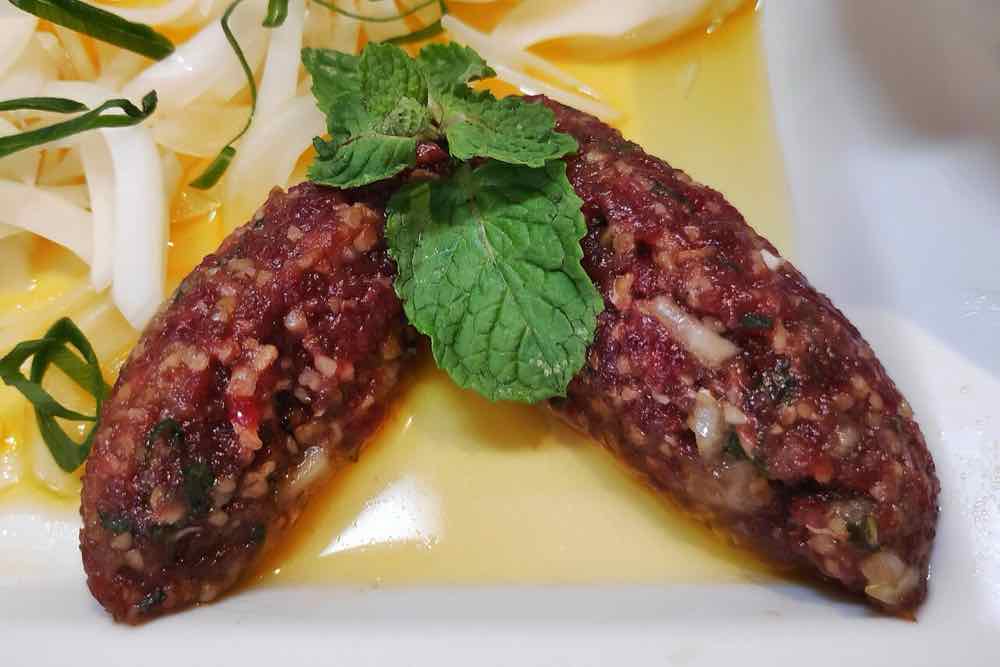
Kibbeh nayyehD·03

Kibbeh nayyeh

كبة نية

Raw lamb pounded with bulgur, onion and spices, eaten with olive oil and mint.

roots

Traditionally pounded in a stone mortar, the jurn — a rhythm that once sounded through villages.

how it changed

The meat grinder replaced the mortar; the dish became a Sunday and celebration plate.

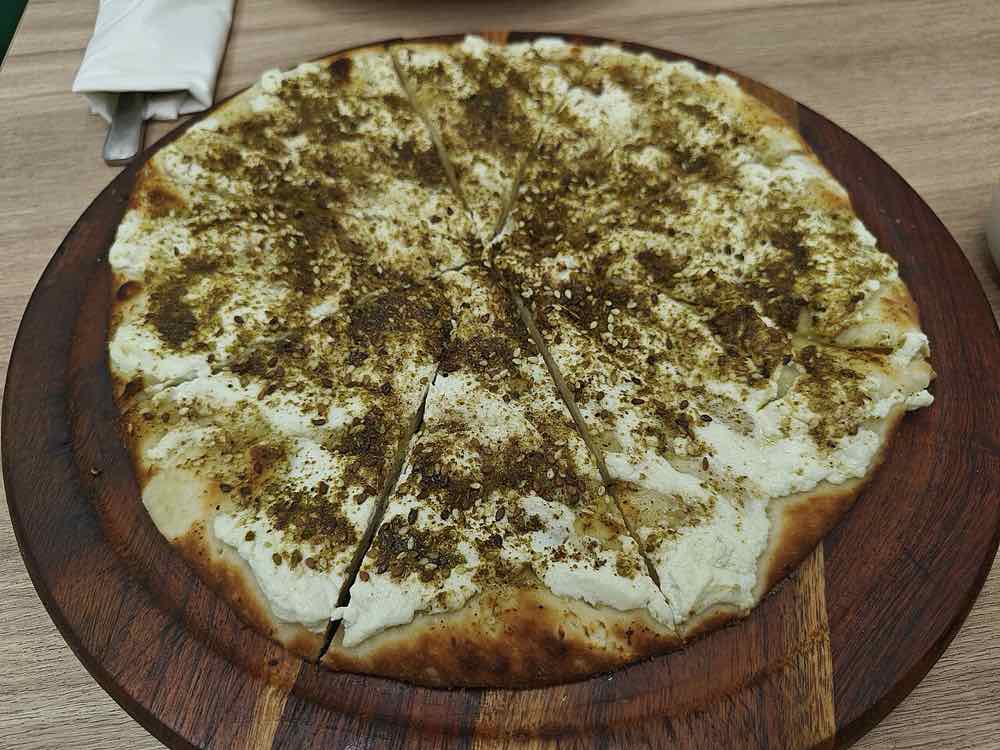
Man’ousheD·04

Man’oushe

منقوشة

Flatbread spread with za’atar and oil, or cheese, baked in a hot oven.

roots

Breakfast baked in the village’s communal oven.

how it changed

Now the corner bakery breakfast of Beirut and a global franchise food.

كشكD·05

Kishk

كشك

Yoghurt and bulgur fermented, dried and ground, then cooked into a sour winter soup.

roots

One of the oldest techniques of the mouneh, turning milk and grain into a year’s food.

how it changed

Fading as village life fades, and now revived by artisanal producers.

folio n°06 · the larder

Ingredients, and their histories.

Za’atar

Za’atar

زعتر

Wild thyme and the blend made with it, sumac and sesame.

Foraged on the hills for generations, eaten at breakfast with oil and bread.

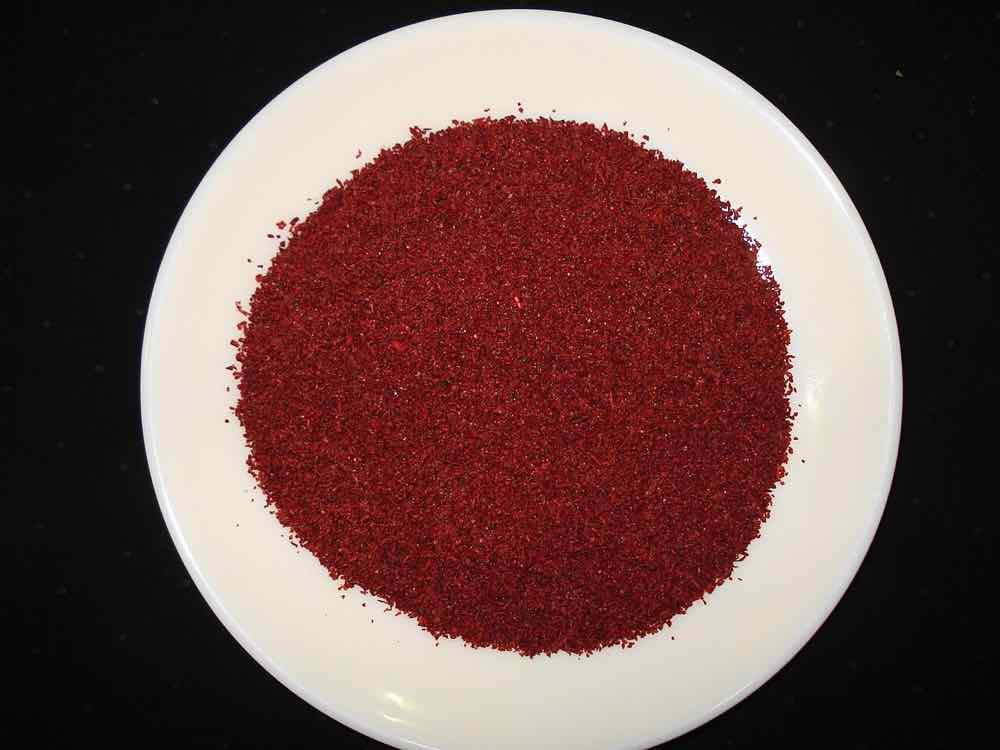
Sumac

Sumac

سماق

Ground red berries that give sourness without liquid.

Used here long before lemons were common in the region.

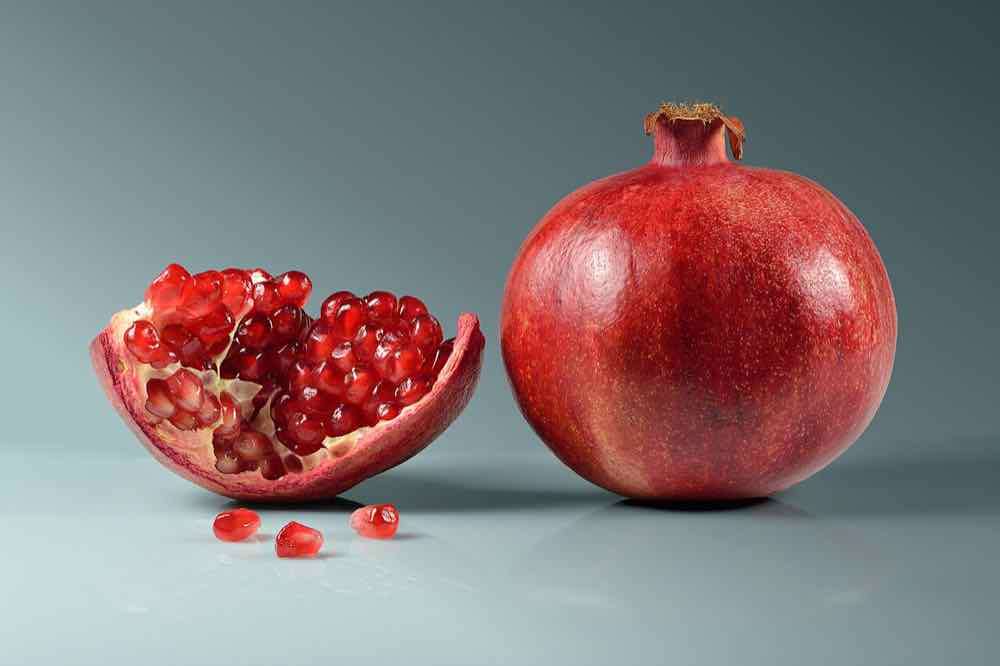
Dibs rumman

Dibs rumman

دبس رمان

Pomegranate molasses — sweet, sour, dark.

A mouneh staple, boiled down at the end of summer.

برغل

Bulgur

Parboiled, dried, cracked wheat.

One of the oldest processed foods in the world.

Olive oil

Olive oil

زيت زيتون

Dressing, cooking medium and preservative.

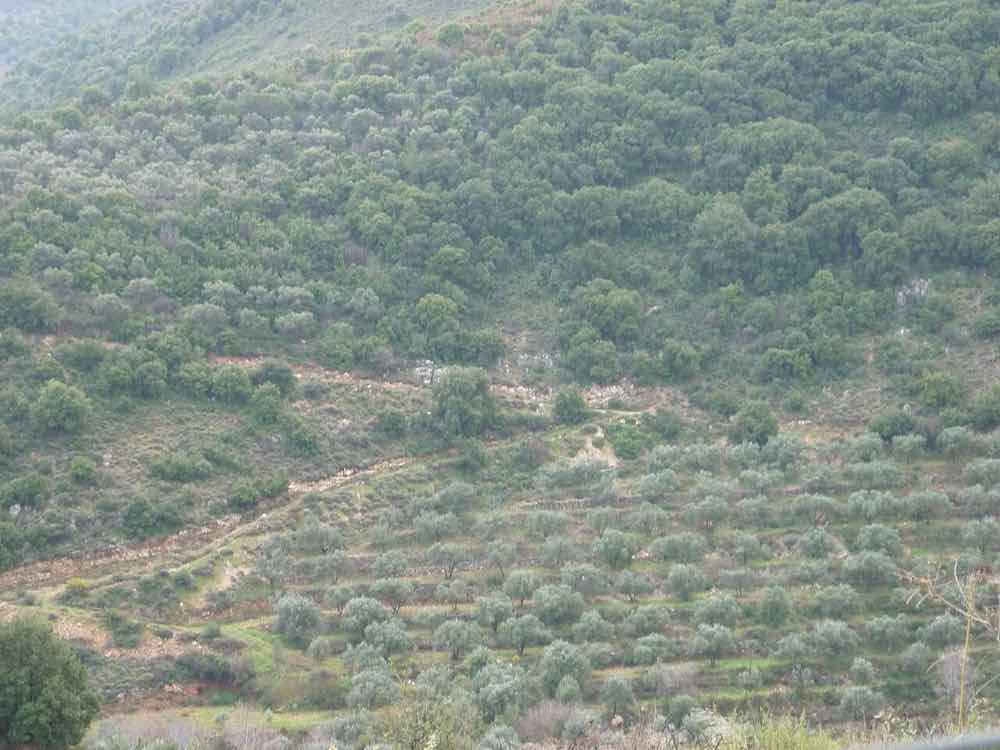
Pressed in the region since antiquity, especially in the groves of the north.

folio n°07 · what it means

The Levantine table is famous for generosity, but that generosity was shaped by famine, war and emigration. Abundance is a way of insisting on life.

As the cuisine travelled with its diaspora it also became contested — who owns hummus, who owns tabbouleh. Food carries national claims, but the mouneh jar reminds us that the real heritage is the work of keeping one another fed.

interviews in progress

This hearth is still in the field.

Mezze culture is the meal as conversation — small plates that arrive over hours, ordered by appetite, eaten with hands. Opens late spring 2027.

folio n°08 · related fusions

Bridges from this hearth.

Bouillabaisse, Phoenician Provenance

Marseille's bouillabaisse may descend from a Phoenician fish stew that traveled with the founding of Massalia. Restoring the original saffron-tahini garnish brings the dish back to its Levantine origin without changing its skeleton.

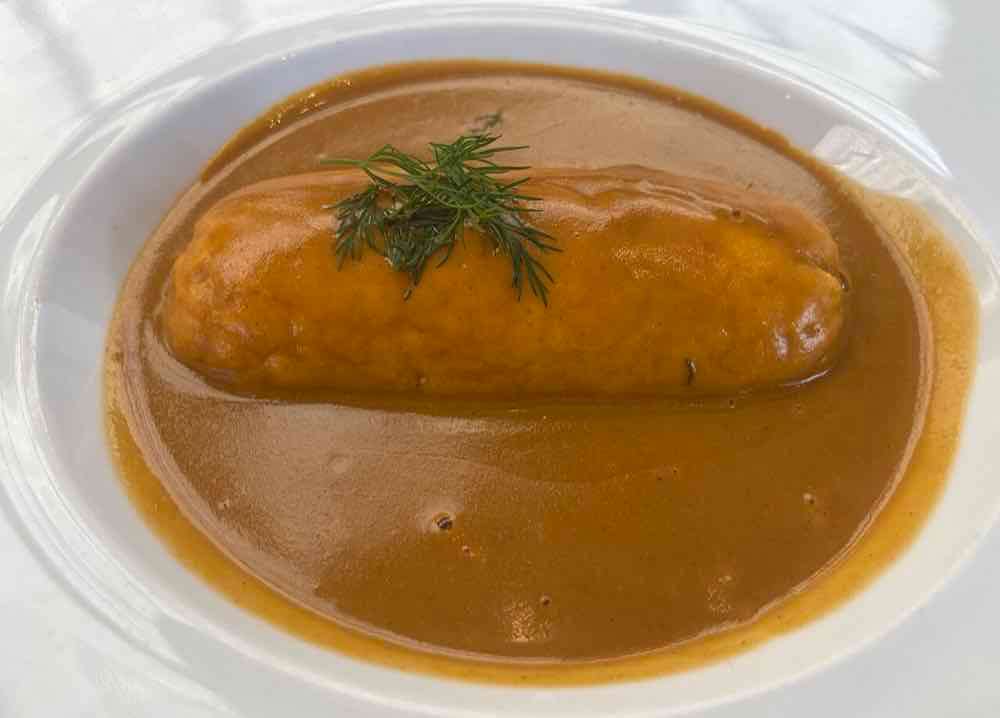
Pike quenelle under crayfish sauce, the bouchon standard.